
 By
By 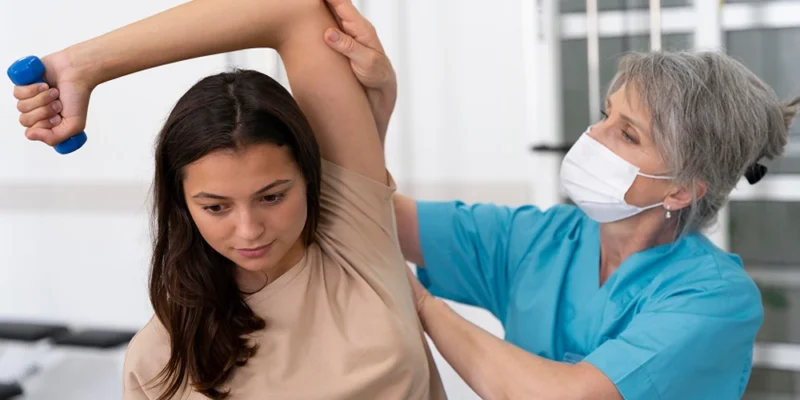
Key Highlights
- Initial treatment typically focuses on immobilisation and pain management.
- The visible “bump” on the shoulder may remain permanent despite successful recovery.
- Progressive physical therapy is essential to regain full strength and mobility.
- Recovery timelines vary significantly depending on the grade of the dislocation.
Introduction
An AC joint dislocation occurs where the collarbone meets the highest point of the shoulder blade. Often described as a separated shoulder, this injury commonly follows a direct fall onto the shoulder or impact during contact sports. The supporting ligaments may stretch or tear, causing pain, swelling, and sometimes a noticeable bump over the joint.
Recovery depends on the severity of the injury and the level of activity the patient wants to regain. An orthopaedic specialist in Singapore can assess the joint, determine whether non-surgical care is appropriate, and guide rehabilitation. Knowing what to expect after an AC joint dislocation can also help patients approach each stage of recovery with more realistic expectations.
1. How Long Should You Wear a Sling After an AC Joint Dislocation?
The early stage of recovery focuses on protecting the injured ligaments and controlling pain. Many patients use a sling for several days or weeks, depending on the grade of the dislocation and the level of discomfort.
During this period, the arm requires enough support to avoid unnecessary strain on the AC joint. A specialist may also recommend ice therapy, suitable pain relief, and limited shoulder movement while the initial swelling settles.
Immobilisation does not usually mean avoiding all movement. Patients may still perform approved hand, wrist, and elbow exercises to reduce stiffness while keeping the shoulder protected. The goal is to support healing without leaving the entire upper limb inactive for longer than necessary.
2. Does the Shoulder Bump Go Away After an AC Joint Dislocation?
A visible bump over the shoulder can remain even after pain decreases and normal movement returns. The appearance develops because the injured ligaments no longer hold the collarbone in exactly the same position as before.
The long-term appearance depends on the grade of injury and the treatment approach.
| Recovery Concern | What Patients May Experience |
| Shoulder appearance | A small or noticeable bump may remain |
| Pain | Usually reduces as the joint heals |
| Strength | Can improve substantially with rehabilitation |
| Function | Many patients regain normal daily and sporting activity |
A persistent bump does not automatically mean that the shoulder remains unstable or weak. In many cases, treatment focuses more on restoring comfortable movement and strength than correcting the cosmetic appearance of the joint.
Patients who continue to experience significant pain, instability, or functional limitations may need further assessment to determine whether additional treatment is appropriate.
3. What Exercises Help Recovery From an AC Joint Dislocation?
Rehabilitation usually begins once pain and inflammation become more manageable. The first aim is to restore shoulder movement gradually without placing excessive stress on the healing joint.
Early exercises commonly focus on gentle range of motion. Strengthening then progresses as movement becomes more comfortable, with particular attention given to muscles that help stabilise the shoulder blade and upper arm.
A rehabilitation programme may gradually introduce:
- Controlled shoulder mobility exercises
- Shoulder blade strengthening
- Light resistance exercises
- Functional movements linked to work or sport
An orthopaedic specialist in Singapore can review progress and determine when the patient is ready to increase resistance or movement. Advancing too quickly can aggravate the joint, while prolonged inactivity may contribute to stiffness and muscle weakness.
4. When Can You Return to Sports After an AC Joint Dislocation?
Returning to sport depends on more than the number of weeks since the injury. The shoulder should demonstrate adequate movement, strength, stability, and tolerance to activity before the patient resumes high-impact exercise.
Lower-grade injuries may allow a faster return, while more significant ligament damage often requires a longer rehabilitation period. Contact sports and heavy lifting usually require additional caution because they place greater stress on the AC joint.
A phased return may begin with light resistance work and controlled training before progressing to unrestricted activity. Athletes should avoid using pain alone as the only measure of recovery because the shoulder may feel comfortable before strength and stability have fully returned.
The specialist may assess shoulder strength, range of motion, sport-specific movement, and symptoms before clearing the patient for full participation.
Frequently Asked Questions
How Long Does an AC Joint Dislocation Take to Heal?
Recovery time varies according to the severity of the injury, treatment method, and activity level. Mild injuries may improve within several weeks, while more severe dislocations can require several months of rehabilitation.
Does Every AC Joint Dislocation Need Surgery?
No. Many AC joint injuries respond well to non-surgical treatment. Surgery may become an option for more severe injuries or cases involving persistent pain, instability, or functional limitations.
Can You Fully Recover From an AC Joint Dislocation?
Many patients regain strong shoulder function and return to normal activities after appropriate rehabilitation. A visible bump may remain even when the shoulder performs well.
Can an AC Joint Dislocation Cause Long-Term Problems?
Some patients may develop persistent pain, joint irritation, instability, or discomfort during certain movements. Follow-up assessment is important if symptoms continue after the expected recovery period.
When Should You See an Orthopaedic Specialist?
Seek medical assessment if shoulder pain follows significant trauma, the joint looks visibly displaced, movement becomes difficult, or symptoms fail to improve. Early evaluation can help determine the severity of the injury and the appropriate treatment approach.
Contact Bryan Tan Novena for an assessment of an AC joint dislocation and guidance from an orthopaedic specialist in Singapore on treatment, rehabilitation, and safe return to activity.



Comments