
 By
By 
Legal Protections for Residents
Nursing home residents have a set of rights that are protected by federal and state laws. These rights ensure that residents are treated with dignity and respect. The Residents’ Rights, established under the 1987 Nursing Home Reform Law, require nursing homes to promote and protect the rights of each individual. This law emphasizes the importance of personal dignity and self-determination. Residents are entitled to privacy, confidentiality, and the freedom to make choices about their daily lives.
Common Violations of Resident Rights
Despite the legal protections, violations of resident rights are not uncommon. These can include:
- Denial of privacy, such as unauthorized sharing of personal information.
- Restriction of visitors or communication with family and friends.
- Inadequate care or neglect, leading to potential harm or decline in health.
Understanding these common issues helps families and advocates to be vigilant and proactive in protecting residents’ rights.
How to Address Rights Violations
Addressing violations of resident rights requires a structured approach. Start by documenting any incidents or concerns, including dates, times, and specific details. Next, communicate directly with the nursing home staff or administration to discuss the issues. If the problem persists, consider filing a formal complaint with the appropriate state agency or contacting an ombudsman for assistance. The Nursing Home Residents Bill of Rights serves as a guide to ensure residents are treated with dignity and respect, offering a framework for addressing and resolving rights violations effectively.
The Role of Family Members in Advocacy
Building Strong Relationships with Staff
Family members play a key role in advocating for nursing home residents, especially when it comes to building strong relationships with staff. Effective collaboration between families and staff can lead to improved care for residents. This relationship is built on trust and open communication. Families can:
- Schedule regular meetings with the care team to stay informed about their loved one’s health and well-being.
- Participate in care planning sessions to ensure that the resident’s needs are being met.
- Provide feedback on care practices and suggest improvements where necessary.
Effective Communication Strategies
Effective communication is the backbone of advocacy. Families should aim to:
- Use clear and simple language when discussing concerns with staff.
- Document all communications to maintain a record of interactions and agreements.
- Be assertive, yet respectful, ensuring that their loved one’s needs are prioritized.
Monitoring Care and Well-being
Monitoring the care and well-being of nursing home residents is essential. Families can:
- Visit frequently and at different times to observe the quality of care provided.
- Look for signs of neglect or abuse, both physical and emotional.
- Engage with other residents and their families to share experiences and gather insights about the facility.
Family involvement in care homes is crucial for residents’ emotional support and mental well-being. Regular visits and communication foster companionship, enhancing the quality of life for those in care. Learn more about family involvement in care homes.
In conclusion, family members are vital advocates for nursing home residents. By building strong relationships with staff, employing effective communication strategies, and actively monitoring care, families can ensure that their loved ones receive the best possible care and support.
Identifying Signs of Neglect or Abuse
Physical Indicators of Neglect
Recognizing physical signs of neglect in nursing homes is vital to ensure residents’ safety and health. Medical neglect can show up in various ways, such as untreated bed sores, frequent falls, or unexplained injuries. Untreated bed sores can be a major red flag, indicating that residents are not receiving the necessary care. Additionally, rapid weight loss, dehydration, and infections are warning signs that should not be ignored. Observing these indicators early can help prevent more severe health issues.
Emotional and Behavioral Signs
Emotional and behavioral changes can also suggest neglect or abuse. Residents may exhibit signs of depression, anxiety, or withdrawal from social activities. Sudden changes in mood or behavior, like becoming aggressive or unusually quiet, can be a signal that something is wrong. It’s important for family members and caregivers to pay attention to these changes, as they can be just as telling as physical symptoms.
Reporting and Escalating Concerns
If you suspect neglect or abuse, it’s crucial to take action immediately. Start by documenting any signs or incidents that raise concern. This can include taking photos of injuries or keeping a journal of behavioral changes. Once you have gathered enough information, report your concerns to the nursing home administration. If the issue persists or is not addressed adequately, seeking legal support might be necessary. Disparti Law Group can provide assistance in ensuring safe elder care. Remember, addressing these issues promptly can make a significant difference in the well-being of nursing home residents.
Navigating the Complaint Process
Filing a Formal Complaint
When something feels off in a nursing home, it’s important to know how to speak up. Filing a formal complaint isn’t just about pointing fingers; it’s about making sure residents get the care they deserve. Here’s a simple way to go about it:
- Start by gathering all the details. Write down what happened, when, and who was involved.
- Use a detailed complaint form to organize your thoughts. This helps in making your case clear.
- Submit the complaint to the nursing home’s administration or the relevant health department. Remember, it’s your right to ask for better care.
Working with Ombudsman Programs
Ombudsman programs are like a bridge between residents and nursing homes. They help resolve issues without making things too complicated. If you’re facing a problem:
- Reach out to your local ombudsman. They are trained to handle these situations.
- Share your concerns openly. They listen and provide guidance on the next steps.
- They can also mediate between you and the nursing home to find a solution.
Legal Recourse and Support
Sometimes, complaints don’t get resolved as you’d hope. In such cases, knowing your legal options is key. Here’s what you can do:
- Consult a lawyer who specializes in elder care or health law.
- Consider filing a lawsuit if the issue is serious and unresolved.
- Look into resources like Cal Health Find to understand more about the facilities and your rights.
Taking these steps can feel daunting, but they’re necessary to ensure that nursing home residents are treated with the respect and care they deserve.
Enhancing Quality of Life for Residents
Promoting Social Engagement
Improving the lives of nursing home residents often starts with encouraging them to connect with others. Social engagement is key. It’s not just about filling time but about making meaningful connections. Activities like group games, music sessions, and art classes can spark joy and foster friendships. Regular social events help break the routine and give residents something to look forward to. Even a simple chat over coffee can brighten someone’s day. Staff and family members should work together to create opportunities for interaction, whether it’s through organized events or informal gatherings.
Encouraging Physical Activity
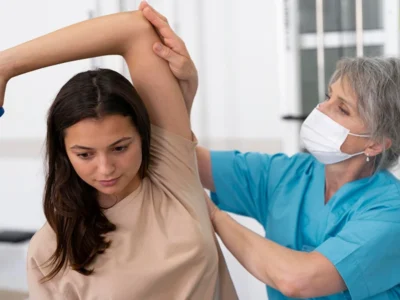
Physical activity is another cornerstone of a good life. It doesn’t have to be intense; even light exercises can make a big difference in how residents feel. Walking clubs, chair yoga, or simple stretching exercises keep the body active and the mind sharp. Exercise not only boosts physical health but also promotes mental well-being. Nursing homes can offer tailored programs to meet the needs of each resident, ensuring everyone can participate at their own pace. Family members can also play a role by joining in or encouraging participation, making it a communal effort.
Facilitating Access to Resources
Access to resources is crucial for maintaining a high quality of life. This means more than just medical care. It’s about having access to books, hobbies, and entertainment that cater to individual interests. Libraries, craft supplies, or technology like tablets can open up new worlds for residents. Personalized resources help residents stay engaged and mentally stimulated. Staff should regularly assess the needs and preferences of residents to provide the right materials and support. Encouraging residents to voice their interests can lead to a more fulfilling and enriched life.
By focusing on these aspects, nursing homes can create an environment where residents thrive. It’s about showing respect and empathy, recognizing signs of depression, and valuing their contributions. Enhancing the quality of life for seniors involves listening to them and appreciating their experiences.
Collaborating with Healthcare Professionals
Understanding Care Plans
When it comes to working with healthcare professionals, understanding care plans is a big deal. These plans lay out the medical and personal care needs of nursing home residents. They ensure everyone is on the same page regarding treatment goals and daily living activities. Family members should regularly review these plans with the healthcare team to make sure they reflect the resident’s current needs.
Participating in Care Conferences
Care conferences are meetings where healthcare professionals, residents, and family members discuss the resident’s care. It’s a chance to ask questions, share concerns, and make sure everyone is working towards the same goals. These meetings can include a variety of professionals, such as doctors, nurses, and social workers. Here’s how to make the most of them:
- Prepare Ahead: Write down any questions or concerns you have.
- Listen Actively: Take notes and ask for clarification if needed.
- Follow Up: After the meeting, review what was discussed and any agreed-upon actions.
Building a Healthcare Team
A strong healthcare team is essential for providing comprehensive care. This team often includes a mix of professionals, each with their own expertise. For example, nurse practitioners and physicians often work together to coordinate care, ensuring all aspects of a resident’s health are managed effectively. Here are some tips for building a good team:
- Communicate Regularly: Keep in touch with all team members to stay updated on the resident’s condition.
- Establish Trust: Develop a strong caregiving partnership with the staff to facilitate open communication and trust.
- Be Involved: Attend meetings, ask questions, and be proactive in care decisions.
Collaborating with healthcare professionals is all about teamwork. By understanding care plans, participating actively in conferences, and building a strong team, families can help ensure their loved ones receive the best possible care.
Empowering Residents Through Education
Informing Residents of Their Rights
Educating nursing home residents about their rights is key to helping them feel secure and respected. Knowing their rights can transform residents from passive recipients of care into active participants. This includes understanding their right to privacy, the right to be treated with dignity, and the right to make decisions about their care. Facilities can hold regular workshops or distribute easy-to-read materials to ensure that residents are well-informed.
Providing Access to Educational Resources
Access to educational resources can make a big difference in a resident’s life. Libraries, online courses, and tailored health education programs can help residents stay mentally active and engaged. For instance, a seven-lesson program designed for nursing home communities can offer insights into infection control and advocacy, which are essential for maintaining a healthy environment.
Encouraging Self-Advocacy
Residents should feel confident to speak up about their needs and preferences. Encouraging self-advocacy involves teaching them how to communicate effectively and assertively with staff and family members. Role-playing exercises and peer support groups can be useful tools. Additionally, tailored health education can empower residents by educating them about their specific health conditions, preventative measures, and wellness strategies. This way, they can make informed decisions about their health and well-being.
Addressing Cultural and Language Barriers
Ensuring Culturally Competent Care
Providing culturally competent care is vital in nursing homes, where residents come from diverse backgrounds. Recognizing and respecting cultural differences can lead to a better quality of life for residents. Staff should be trained to understand the various cultural needs that might arise, from dietary preferences to religious practices. It’s important for caregivers to ask questions and seek clarification when they’re unsure about a resident’s needs. This approach not only builds trust but also enhances the overall care experience.
Utilizing Translation Services
Language differences can be a significant barrier in providing effective care. Utilizing translation services ensures that residents can communicate their needs and concerns clearly. This might involve hiring bilingual staff or using technology-based solutions like translation apps. It’s crucial to have these resources readily available to avoid misunderstandings and to ensure that every resident feels heard and understood.
Respecting Cultural Preferences
Respecting cultural preferences involves acknowledging and honoring the traditions and practices that are important to the residents. Whether it’s celebrating specific cultural holidays or providing traditional meals, these small gestures can make a big difference in a resident’s life. Cultural competence in nursing is essential for building trust, enhancing communication, and improving patient outcomes. By respecting these preferences, care providers can create a more inclusive and welcoming environment for everyone.
Preparing for End-of-Life Decisions
Discussing Advance Directives
When it comes to end-of-life decisions, one of the most important steps is discussing advance directives. These are legal documents that outline a person’s wishes regarding medical treatment if they become unable to communicate. It’s crucial to have these conversations early with family members and healthcare providers to ensure that everyone’s on the same page. Consider including preferences for life-sustaining treatments, such as resuscitation or mechanical ventilation. This way, loved ones and medical professionals are guided by the individual’s own choices during critical moments.
Understanding Palliative Care Options
Palliative care is focused on providing relief from the symptoms and stress of a serious illness. It’s about improving quality of life for both the patient and their family. This type of care can be provided alongside curative treatment or as the main focus of care. Families should explore different palliative care options, which can include pain management, emotional support, and spiritual care. A guide on late-stage and end-of-life care can offer insights into ensuring comfort and managing grief during this challenging time.
Supporting Emotional Needs
End-of-life decisions can be emotionally taxing for everyone involved. It’s vital to address the emotional needs of both the patient and their loved ones. Open communication is key, allowing family members to express their feelings and fears. Support groups or counseling services can be beneficial in providing a safe space to share experiences and gain support. For those caring for someone with terminal cancer, making important care plans and preparing for the future can help in managing the emotional journey. Remember, you’re not alone in this process, and seeking help is a sign of strength.
Utilizing Technology for Advocacy
Leveraging Communication Tools
In today’s digital age, technology has become an indispensable ally in advocating for nursing home residents. Communication tools like video calls, messaging apps, and social media platforms make it easier for families to stay connected with their loved ones. These tools help bridge the distance, allowing real-time interaction and emotional support. For residents, especially those with mobility issues, these technologies open a window to the outside world, fostering a sense of inclusion and engagement.
Monitoring Health Through Technology
The use of technology in health monitoring has revolutionized resident care. Wearable devices and health monitoring apps can track vital signs, medication schedules, and even detect falls. This constant stream of data provides caregivers with timely information, enhancing the quality of care provided. Advancements in technologies such as telemedicine and electronic health records also play a crucial role, offering personalized patient care and seamless monitoring. These innovations ensure that healthcare providers can respond promptly to any changes in a resident’s condition.
Staying Informed with Online Resources
Online resources are a treasure trove of information for both residents and their families. From educational materials about resident rights to forums discussing best care practices, the internet is a vast resource. Families can use these platforms to share experiences, seek advice, and stay updated on the latest in nursing home care. Additionally, healthcare leaders can utilize data-driven tools to collaborate with policymakers, ensuring that the sector remains efficient and responsive to the needs of residents. This proactive approach helps in creating a supportive environment where residents feel valued and cared for.
Building a Support Network for Families
Connecting with Support Groups
Building a support network for families with loved ones in nursing homes is vital. Support groups offer an essential space for families to connect, share their experiences, and find comfort in shared struggles. They provide a platform to learn from others who are navigating similar challenges, and they can be a source of emotional and practical support. Consider joining a local or online support group to expand your network and gain valuable insights into the care process. These groups often host meetings, workshops, and activities that foster a sense of community and belonging. Support groups in nursing homes, specifically, can be a great way to engage with others who understand the unique challenges of this environment.
Sharing Experiences and Advice
Sharing personal experiences and advice with others who are in a similar situation can be incredibly beneficial. It not only helps in relieving stress but also provides an opportunity to gain new perspectives on handling various issues. Families can exchange practical tips on how to manage day-to-day challenges, advocate for their loved ones, and improve their overall well-being. Listening to others’ stories can also be reassuring, knowing that you are not alone in this journey.
Accessing Community Resources
In addition to support groups, families should take advantage of community resources available to them. These resources can include counseling services, educational programs, and respite care options. Local organizations often offer workshops and seminars that focus on caregiving skills, legal rights, and financial planning. By tapping into these resources, families can better equip themselves to handle the complexities of caregiving. It’s important to stay informed and proactive in seeking out assistance to ensure the best possible care for your loved ones.










Comments