
 By
By 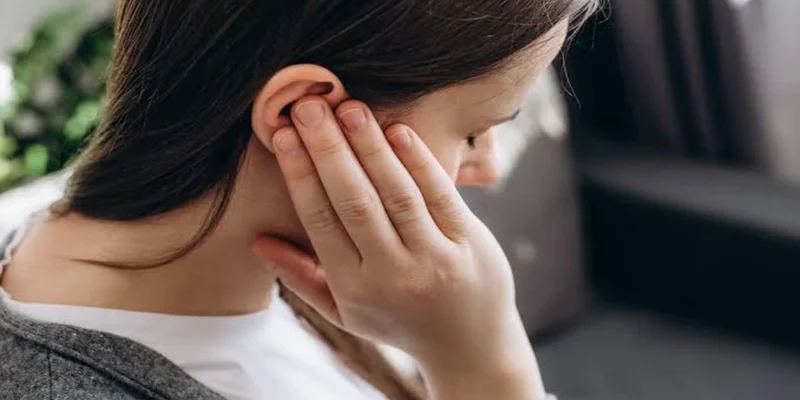
If you’ve started noticing a persistent ringing or buzzing sound alongside other changes, you may be wondering whether there is a connection between menopause and tinnitus. Tinnitus can be frustrating at any stage of life, but some menopausal women notice their tinnitus symptoms during the menopause transition. Understanding more about menopause and tinnitus can provide useful context, particularly when hormonal changes and other menopausal symptoms are involved.
So, can menopause actually cause tinnitus, or is the timing simply a coincidence? The answer isn’t straightforward. Research suggests there may be an association between tinnitus and hormonal changes, although the exact link between tinnitus and menopause is still being investigated.
Is Tinnitus a Menopause Symptom? Understanding the Link Between Menopause and Tinnitus
Tinnitus is a symptom, rather than a condition in itself. It involves hearing a sound without an external source, which might be a ringing in the ears, buzzing, humming, hissing or whooshing. Tinnitus is often associated with hearing changes, but there are several possible causes of tinnitus.
For some people, the timing can make the link between menopause and tinnitus seem particularly noticeable. Menopause may affect the way the auditory system functions because changing levels of oestrogen and progesterone can influence the body in several ways. Research has found that hearing sensitivity can change around menopause, although exactly how hormone fluctuations contribute to tinnitus is not fully understood.
This does not mean that every woman experiencing menopausal symptoms will develop tinnitus. Instead, hormonal changes may be one factor among several risk factors of tinnitus.
How Can a Hormone Change Cause Tinnitus During Menopause?
During perimenopause, hormone levels begin to fluctuate before eventually falling. Menopause itself is reached after 12 months without a period, and the whole perimenopause and menopause process can involve a wide range of physical and emotional changes.
Oestrogen is particularly interesting when looking at menopause tinnitus. It has a role in the auditory system, including the development and maintenance of the auditory pathway. Changes in oestrogen may therefore affect the inner ear and auditory pathways, although researchers are still working out precisely what happens.
Other menopause symptoms could also contribute to tinnitus indirectly. Poor sleep, anxiety and stress are common during the menopause transition, and these can make tinnitus more noticeable or harder to cope with. Tinnitus UK notes that sleep disturbance and other menopausal symptoms may worsen tinnitus for some people.
This is one reason tinnitus during menopause can feel particularly intrusive. The tinnitus itself may not necessarily be changing, but your perception of it can.
What Does Tinnitus During Perimenopause and Menopause Feel Like?
There is no single experience of tinnitus during perimenopause and menopause. One person might experience tinnitus as a quiet high-pitched tone, while another may notice a low hum or fluctuating noise.
Some women report tinnitus that comes and goes, while others develop a more persistent sound. You might notice that your tinnitus began around the same time as other changes, such as disrupted sleep, hot flushes or increased stress.
Common tinnitus symptoms can include:
- A ringing in one or both ears
- Buzzing, humming or hissing
- Fluctuating tinnitus that comes and goes
- A sound that becomes more noticeable in quiet surroundings
- Difficulty concentrating when the tinnitus is particularly loud
- Sleep disruption, particularly when tinnitus is worse at night
It is also worth remembering that hearing loss and tinnitus can occur together. Hearing loss is one of the most common conditions associated with tinnitus, so it should not automatically be assumed that a new sound is linked to menopause.
Menopause-Related Tinnitus: What Can Make Tinnitus Worse?
Hormonal changes are not the only possible explanation for tinnitus related to this stage of life. There are many potential causes of tinnitus, and several may overlap during menopause.
For example, tinnitus can also be associated with hearing loss, certain medications, anxiety, depression and other health conditions. Exposure to loud noise can contribute to tinnitus too.
Some menopausal women may therefore have several potential factors at once. Someone experiencing insomnia and tinnitus, for instance, may find that poor sleep makes tinnitus more noticeable, while someone with hearing loss may become more aware of their symptoms during the menopause transition.
This means that tinnitus and menopause should be considered together without assuming that menopause is automatically the cause.
HRT and Menopause Hormone Changes: Can HRT Help With Tinnitus?
HRT, or hormone replacement therapy, is commonly used to help manage symptoms of perimenopause and menopause. It replaces hormones such as oestrogen and, where appropriate, progesterone. HRT may help with several established menopause symptoms, including hot flushes, night sweats and sleep problems.
However, HRT should not be viewed as a guaranteed treatment for tinnitus. Evidence about whether hormone replacement therapy decreases tinnitus, or whether replacement therapy decreases the risk of developing it, remains unclear. Some research has explored tinnitus in comparison with nonusers, as well as whether tinnitus with duration of hormone replacement therapy changes over time, but there is not enough evidence to say that HRT will improve tinnitus for everyone.
In fact, Tinnitus UK notes that HRT has been linked with an increased risk of tinnitus in some studies. This highlights why decisions about HRT should be based on your overall menopause symptoms, health and individual circumstances rather than tinnitus alone.
Managing Tinnitus: Tinnitus Treatments That May Help Manage Tinnitus
If you developed tinnitus during perimenopause or after menopause, there are practical ways of managing tinnitus. The right approach depends partly on what is contributing to it.
Depending on your symptoms, tinnitus treatments may include:
- Treating an underlying hearing problem
- Sound therapy to make tinnitus less noticeable
- Cognitive behavioural therapy (CBT) to help change the way you respond to tinnitus
- Tinnitus retraining therapy in appropriate circumstances
- Improving sleep and reducing stress
- Using background sound rather than sitting in complete silence
These approaches do not necessarily make tinnitus disappear, but they can help with tinnitus and make it easier to live with. Tinnitus management is often about reducing how intrusive the sound feels rather than promising that tinnitus will completely go away.
The British Tinnitus Association, now known as Tinnitus UK, is another useful source of information for women with tinnitus looking for guidance and support.
When Should You Get New or Worsening Tinnitus Checked?
Even if your tinnitus began during perimenopause, it’s worth getting new or worsening tinnitus assessed rather than assuming it is simply another menopause symptom.
A GP or hearing professional can look for possible risk factors for tinnitus, including hearing loss, ear problems, medication-related causes and other underlying conditions. This is particularly important if you have sudden hearing changes or other unusual symptoms.
There is also no need to wait for the tinnitus to become loud before seeking advice. If it is regularly affecting your sleep, concentration or everyday life, professional support can help you understand what is happening and discuss appropriate tinnitus treatments.
The Link Between Menopause and Ringing in the Ears
So, can menopause cause tinnitus? There does appear to be a potential link between menopause and tinnitus, particularly because hormonal changes can affect hearing and the auditory system. However, tinnitus in menopausal women can have many contributing factors, so it would be too simplistic to say that menopause is always responsible.
If you experience tinnitus during menopause, paying attention to when it started, whether it fluctuates and whether other symptoms occur alongside it can be useful. Rather than assuming menopause tinnitus will simply disappear, getting the right advice can help identify possible causes and find ways to improve tinnitus or make it easier to manage.
Most importantly, experiencing tinnitus during perimenopause and menopause does not mean you have to put up with it without support. Understanding the possible link between tinnitus and menopause is a useful first step towards finding an approach that works for you.







Comments