
 By
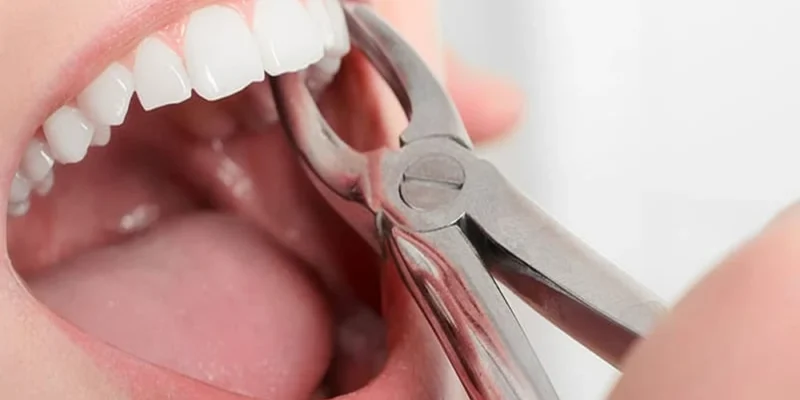
Your child just had a tooth pulled, and instead of feeling like one step is done, you may feel like you have ten new things to watch. Is the bleeding normal? Can they eat yet? Will this delay braces, or make treatment harder? That mental load is real, especially when your child is sore, cranky, and asking for foods they should not have. For families seeking preventive dentistry for kids in Mount Kisco, knowing what to expect after an extraction can make recovery feel more manageable.
What Parents Should Know About Orthodontic Care After A Tooth Extraction comes down to a few core points. Healing needs protection in the first day or two, swelling and mild discomfort are common, and orthodontic timing matters more than most parents expect. When a child has an extraction before or during braces care, the goal is not just recovery. It is protecting the space, guiding tooth movement, and avoiding setbacks that can stretch treatment longer than needed.
Orthodontic care after tooth removal affects healing and treatment timing
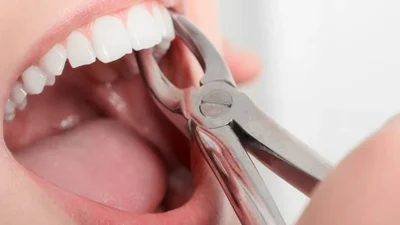
When a tooth is removed, the body forms a blood clot in the socket. That clot is the start of healing. If it gets disturbed by hard rinsing, straws, rough foods, or too much poking at the area, your child can end up with more pain and slower recovery. Basic aftercare from trusted sources like MedlinePlus tooth extraction guidance often includes rest, soft foods, and careful cleaning around the area.
That would be enough if the extraction were the whole story. It usually is not. In pediatric orthodontics, an extraction may be part of a larger plan to create room, correct crowding, or help impacted teeth move into a better position. If your child has braces, spacers, or an appliance, the healing site can affect when adjustments happen and how force is applied next.
This is where parents get stuck. A child may look better after a couple of days and want life to go back to normal, but the bone and gum tissue are still healing. Pushing too fast can irritate the area. Waiting too long without checking in can also create problems, especially if the orthodontist planned the extraction to keep treatment moving on a schedule.
Parents often miss the link between extraction recovery and braces progress
You might hear “the tooth is out, now we wait,” and assume the hard part is over. Sometimes it is. Sometimes that space starts changing quickly. Neighboring teeth can drift. A sore child may avoid chewing on one side, which can make oral hygiene worse around brackets. If they stop brushing well because the area feels tender, plaque builds up fast, and swollen gums make orthodontic visits more uncomfortable.
There is also the question every parent has but may not ask right away. What if my child says the pain is getting worse instead of better? Mild soreness, slight oozing, and swelling can be normal. Sharp worsening pain, bad breath that does not improve, fever, heavy bleeding, or swelling that keeps growing deserve a call to the dental team. Post procedure instructions from programs like the University of Minnesota oral surgery aftercare page and Harvard dental post procedure care instructions give a clear picture of what normal healing usually looks like.
Orthodontic care after extraction also has an emotional side. Kids can be nervous that a missing tooth will change how they look, or they may worry braces are making things worse. Teens often care less about the clinical explanation and more about whether they can go back to school, sports, or smiling in photos. A good plan answers both. It protects healing and gives them a realistic timeline for getting back to normal.
Recovery needs are different during pediatric dentist and orthodontist treatment
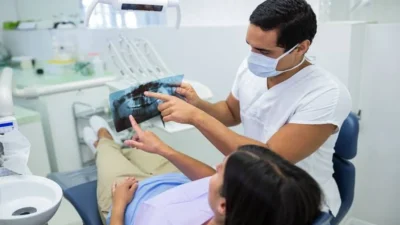
A child under the care of a pediatric dentist and orthodontist often has needs that overlap. Younger children may struggle to follow instructions like no straw use or gentle rinsing. Some children have sensory issues and do not tolerate swelling, gauze, or changes in bite very well. Others are in active braces treatment, where even a short delay in follow up can affect the sequence of care.
This is why braces care after tooth extraction should never be treated like generic post op advice alone. The extraction site matters, but so do the wires, appliances, spacing goals, and eruption pattern of the remaining teeth. If your child had a baby tooth removed to help a permanent tooth come in, the next orthodontic check may be just as important as the first day of healing.
Common after extraction issues and the right response
| What you notice | Usually normal | Call the dental team |
|---|---|---|
| Light bleeding or pink saliva in first 24 hours | Yes | If bleeding is heavy or does not slow with gauze pressure |
| Mild swelling and soreness for a few days | Yes | If swelling gets worse after 2 to 3 days or affects swallowing |
| Eating soft foods and chewing on one side | Yes | If your child cannot drink, eat, or open well due to pain |
| Bad taste right after extraction | Sometimes | If there is strong odor, fever, or increasing pain |
| Orthodontic wire or appliance rubbing near the area | No | Yes, because irritation can slow healing and increase pain |
Three steps parents can take right away
1. Protect the clot and keep routines simple. Use gauze exactly as directed, stick to soft foods, avoid straws, and help your child brush gently around the area. Do not let them poke the socket with fingers or their tongue all day, even though that urge is common.
2. Confirm the orthodontic timeline. Ask when the next orthodontic visit should happen, whether any appliance needs adjustment, and if the extraction changes the sequence of treatment. A quick call can prevent weeks of drift or delay.
3. Track pain, swelling, and eating. Improvement should be gradual. If your child is more uncomfortable on day three than day one, or if they cannot drink normally, sleep, or manage basic hygiene, reach out. Parents often wait too long because they do not want to overreact. Clear changes in symptoms are a better guide than guessing.
Good healing supports better orthodontic results
Most children recover well after an extraction, and most bumps in the process can be handled early when parents know what to watch for. The main job is simple even if it does not feel simple in the moment. Protect the healing site, keep the orthodontic plan connected to the recovery, and do not ignore changes that look off. That is how you support both comfort now and straighter teeth later.
If your child is in treatment with a pediatric dentist and orthodontist, keep the office updated about healing, pain, and appliance issues so the next step in care stays on track.





Comments