
 By
By 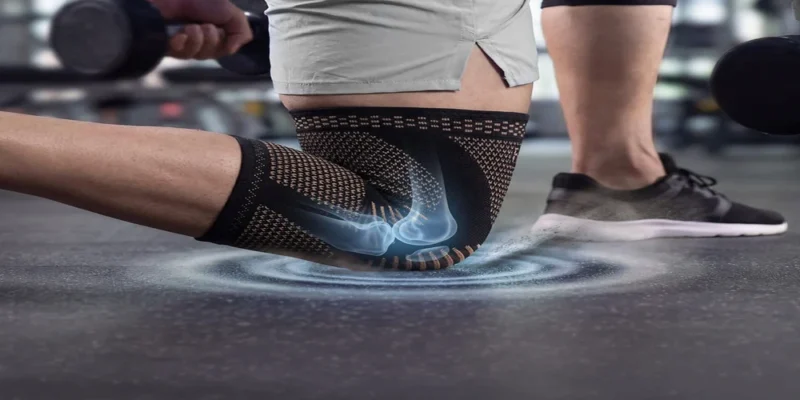
Knee pain is one of the most common issues faced by senior citizens. They can be due to various reasons for the dull aching pain in the joints. In nightmarish situations like this, people start searching for the cheap and easily available option. A knee cap or sleeve can provide the much needed support for the aging joints. It can provide mild comfort along with stability.
But, among so many options, choosing the knee cap for pain relief can be challenging. It must depend upon the condition and level of support required by the joints. This guide will help you understand different types of knee caps available and how to choose the best fit for yourself.
Let’s explore!
7 Common Causes Of Knee Pain In Old Age
- Osteoarthritis
The cartilage that cushions the ends of the bones deteriorates causing stiffness and chronic pain.
- Muscle Loss
Reduction in muscle mass of the lower body weakens the support around the knees. Thus, forcing the joint to absorb more shock and strain.
- Inflammatory Conditions
Conditions like rheumatoid arthritis or gout can cause painful inflammation in the knee joint.
- Meniscal Degeneration
The shock absorbing cartilage meniscus can tear due to minor twists or gradual tissue aging.
- Bursitis and Tendonitis
Inflammation of the fluid filled bursae or tendons around the knee joint occurs from repetitive stress or overuse.
- Old Injuries
Past sprains or fractures can create joint instability that flares up with age.
- Excess Body Weight
Carrying extra weight increases mechanical load and accelerates the breakdown of knee cartilage.
Different Types of Knee Cap
Knee supportive sleeves and braces are external devices designed to provide compression and warmth to the knee joint. In older adults, they play a crucial role in managing mild pain and reducing inflammation. There are various options available in the market like:
| TYPE OF SUPPORT | BEST USED FOR | HOW IT HELPS |
|---|---|---|
| Knee Sleeve (Soft) |
Mild pain & daily walking | Warms the joint and reduces minor swelling |
| Open-Patella Cap (With hole) |
Kneecap tracking & front pain | Keeps the kneecap in place and reduces pressure |
| Hinged Brace (With metal bars) |
Wobbliness & ligament injuries | Prevents the knee from twisting sideways |
| Unloader Brace (Mechanical) | Severe arthritis | Shifts weight away from the damaged side |
Factors To Consider When Choosing The Best Knee Cap For Pain Relief
- Support Level
- Select a soft compression sleeve for mild stiffness.
- An open patella cap for kneecap pressure relief.
- Hinged brace if you experience wobbliness.
- Material & Breathability
Select neoprene if you need high warmth trapping or choose breathable knit fabrics if you want to wear it for prolonged hours without any skin irritation.
- Accurate Sizing
Choose an accurate size according to your needs. Picking too loose or too tight a knee cap can be discomforting to wear. Perform two finger tests to check the optimal space between fabric and skin.
- Ease of Using
Choose pull on sleeves if you want light support with easy wearability. You can go for wraparound styles with velcro straps if you have less hand strength or find it painful to bend.
How To Measure For A Correct Knee Cap Fit
- Straighten your leg
Sit comfortably on a chair or stand up straight, while keeping your leg slightly bent.
- Find the center
Locate the middle center of your kneecap
- Measure area above the knee
Place the measuring tape 4 inches (approx. 10 cm) above the kneecap. Wrap it around your thighs to measure the circumference for the top band fit.
- Measure area below the knee
Place the tape 4 inches (approx. 10 cm) below the kneecap. Wrap it around your calf to measure the band circumference.
- Compare to the size chart
Every brand has a unique sizing guide. Match your measurements with the chart.
5 Clear Signs A Knee Cap Isn’t Enough
- The Knee Gives Out
If the knee unexpectedly wobbles or feels unstable under weight, a sleeve cannot help. This indicates ligament instability or a severe meniscus issue that requires a rigid hinged brace.
- The Joint Locks
If the knee physically jams painfully or gets stuck in a bent position, there is likely a mechanical obstruction inside the joint.
- One-Sided Pain
If the pain is sharp and localized strictly to the inner or outer side of the knee , advanced osteoarthritis has likely worn away the cartilage entirely on that side. This requires a specialized unloader brace to mechanically shift the body’s weight.
- Persistent Swelling
If the knee remains tender to the touch with fluid build up despite wearing a compression sleeve and resting, the joint can be experiencing severe or active inflammation.
- Inability to Bear Weight
If an older adult cannot stand up or take three consecutive steps without severe pain, a soft sleeve will not offer the structural offloading required to move safely.
Key Tips For Older Adults Using Knee Supports
- Start simple
For standard age-related issues, it is generally recommended to start with the simplest slip on knee sleeves. Bulky hinges can sometimes cause skin irritation or alter natural working.
- Avoid all-day wear
Relying on them all day can weaken the surrounding leg muscles over time. Use them mainly during activities like long walks or exercising.
- Check the fit
Ensure the support is snug enough to provide compression but also not too tight. As it can leave deep marks or restrict blood circulation.
Wrapping Up
Aging joints need extra love and support. People often turn to the most reliable yet affordable supportive garment available in the market. A knee cap aids the senior joints by providing a mild compression and warmth. But, there is no single best knee cap for pain relief.
It completely depends on your needs and the severity of the pain. Always getting diagnosed at the right time is a good preventive measure to make sure pain doesn’t become a chronic issue. A fitted compression sleeve is an excellent starting point towards a healing journey. Take account of the material and its quality to choose the best knee cap for pain relief.





Comments