
 By
By 
You notice it at the worst time. The retainer case is empty, the mouthguard is nowhere in the gym bag, and someone in the house is already upset. Maybe your child is worried their teeth will shift overnight. Maybe you are thinking about the cost, the timing, and whether this is going to turn into a bigger problem than it seems. That stress is real, because these appliances are easy to lose and hard to replace without a plan. If you need guidance from a pediatric dentist Pharr, TX families can trust, acting quickly can help prevent bigger issues.
Lost retainers and sports mouthguards are common, but they are not small issues. A missing retainer can lead to tooth movement faster than many families expect. A missing mouthguard can leave teeth and gums exposed during practice or games. A family dentist helps sort out the next step quickly, checks whether there has already been any change, and helps you avoid spending money on the wrong fix. How family dentists help families handle lost retainers and mouthguards often comes down to speed, clear advice, and a replacement plan that fits your daily life.
Lost retainers and mouthguards create real problems at home
You may already know the pattern. A retainer gets wrapped in a napkin at lunch and thrown away. A mouthguard gets left in a locker or on the sidelines after practice. Then the questions start. Can they skip wearing it for a few days? Can you buy something online and hope it works? Is the old mold still on file somewhere?
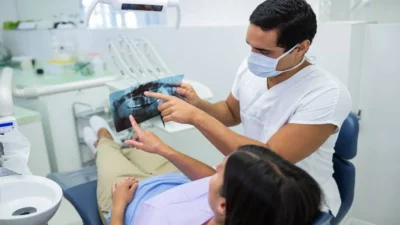
The trouble with waiting is that teeth do not always stay put. If a retainer has been worn every night and suddenly disappears, even a short gap can matter for some patients. Children and teens who are still growing may notice changes sooner. Adults can have shifting too, especially if they already had crowding before orthodontic treatment. A family dentist can examine the bite, look for movement, and tell you whether a simple replacement is enough or whether you need a more specific adjustment.
Mouthguards carry a different risk. They protect teeth, lips, cheeks, and sometimes braces during contact and high impact sports. An ill fitting backup from a store may feel better than nothing, but it may not give the same level of protection or comfort as a properly fitted one. If your child avoids wearing it because it feels bulky or makes breathing harder, the protection drops fast. That is where family dental care for lost retainers and mouthguards helps. The goal is not just replacing the item. The goal is making sure it will actually be used.
Family dentists make replacement easier and more accurate
When families call a dental office after something is lost, they usually want a fast answer. A family dentist can often tell you whether the appliance needs an urgent replacement, whether temporary steps make sense, and whether an exam should happen first. If the office has digital scans, impressions, or treatment records, the process may move even faster.
This matters because guessing can get expensive. Ordering a random retainer online may save money up front, but if the fit is off, it can press on the wrong teeth or fail to hold alignment. Trying to keep using a cracked mouthguard can lead to poor protection and irritation. A dentist can also spot signs that the missing appliance was no longer fitting well before it was lost, which changes the next step.
Good replacement care also includes prevention. Families often need more than a new retainer or guard. They need better habits that make another loss less likely. A labeled case, a set storage spot at home, and cleaning routines all lower the odds of starting this process again next month. The National Institute of Dental and Craniofacial Research offers practical oral hygiene guidance that supports healthy appliance use, and the CDC shares oral health tips for adults that help parents protect their own teeth as well.
Professional replacement usually protects your teeth better than a quick fix
When an appliance disappears, it is tempting to grab the fastest option. Sometimes that works for a day or two. Often it creates a second problem.
| Option | Short Term Appeal | Main Risk | Best Use |
|---|---|---|---|
| Wait and do nothing | No immediate cost | Teeth may shift, sports injury risk goes up | Rarely a good choice |
| Store bought mouthguard | Fast and easy to find | Bulkier fit, lower comfort, less consistent wear | Very short term backup for sports |
| Online retainer replacement without an exam | May seem cheaper | Poor fit if teeth already moved, no bite check | Only if approved by your dentist |
| Family dentist evaluation and replacement | Accurate fit and guidance | Requires an appointment | Best choice for lasting protection |
For older adults, appliance fit can get more complicated if there are crowns, gum changes, or dry mouth. The National Institute on Aging explains how aging can affect oral comfort and daily care in this guide on taking care of your teeth and mouth. That is one more reason a personalized exam matters when something is lost.
Check for fit changes right away
If you still have a backup retainer, do not force it into place. If it slides in with mild pressure and feels normal, call the dental office and explain the situation. If it feels painfully tight, do not keep pushing. For mouthguards, inspect any backup for cracks, thinning, or rough edges before use. A family dentist can tell you whether the backup is safe or whether it may do more harm than good.
Call your family dentist before buying a replacement
Retainer and mouthguard replacement from a family dentist usually saves time because the office can guide you based on your records, age, and treatment history. Some patients need a quick remake. Others need a new scan because the bite has changed. That difference matters. One phone call can keep you from wasting money on an appliance that will not fit.
Create one storage rule for the whole family
Most losses happen during ordinary routines. School lunch, sports practice, sleepovers, travel, and rushed mornings are the usual trouble spots. Pick one simple rule. If the appliance is not in the mouth, it is in the case. Keep an extra labeled case in a backpack or sports bag. This works better than relying on memory, especially for kids and teens.
A lost retainer or mouthguard can feel like one more thing on top of an already full week, but it is manageable when you act early. A family dentist can check for movement, protect your teeth, and help your household avoid the same problem again. If your appliance is missing, reach out to a trusted family dentist and get a replacement plan in motion before a small problem turns into a bigger one.




Comments