
 By
By 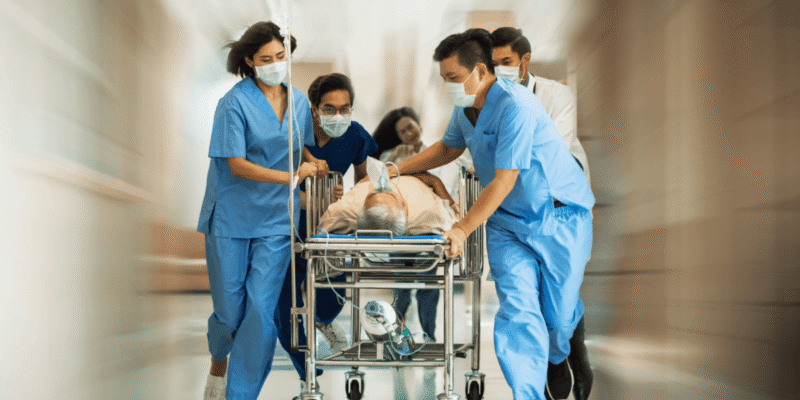
In modern healthcare systems, patients often face confusion when deciding whether to visit an emergency room or an urgent care facility. Both serve critical but distinct roles in ensuring timely medical attention. Facilities such as Full Spectrum Emergency Room and Urgent Care exemplify this dual model, offering comprehensive services to handle everything from life-threatening emergencies to non-critical medical issues under one roof. Understanding the differences, available services, and operational details can help individuals make informed decisions during urgent medical situations.
Locations and Hours of Operation
Emergency rooms (ERs) are typically located within hospitals or as standalone centers strategically placed to serve communities in need of round-the-clock medical care. These facilities operate 24 hours a day, seven days a week, without exception. Their continuous availability ensures immediate treatment for severe injuries, heart attacks, strokes, and other critical conditions that cannot wait for scheduled appointments.
Urgent care centers, on the other hand, are usually positioned in easily accessible community areas, often close to residential neighborhoods or commercial hubs. They cater to patients who require prompt but non-emergency care—conditions that are not life-threatening yet cannot be delayed until a primary care physician becomes available. Urgent care clinics generally operate for extended hours, including evenings and weekends, but they are not open 24/7. Typical timings range from early morning to late evening, varying by location.
Having both facilities within reach ensures that patients can receive appropriate care without unnecessary delays. This combination enhances community healthcare efficiency by reducing overcrowding in emergency departments and providing cost-effective alternatives for non-critical needs.
Emergency Room Services
Emergency rooms are equipped to manage the most serious and time-sensitive medical cases. They are staffed with highly trained physicians, nurses, and specialists capable of handling trauma, cardiac events, neurological crises, and severe infections. Advanced diagnostic technology—such as CT scans, MRIs, and specialized laboratory testing—is available on-site, enabling rapid evaluation and treatment.
ERs prioritize patients based on the severity of their conditions through a process known as triage. For instance, a patient experiencing chest pain suggestive of a heart attack will receive immediate care ahead of someone with a minor injury. This system ensures that limited medical resources are allocated where they are most urgently required.
Common emergencies treated in ERs include:
- Chest pain and difficulty breathing
- Severe bleeding or head injuries
- Sudden loss of consciousness
- Signs of stroke
- Severe abdominal pain or trauma
- High fevers unresponsive to medication
Emergency rooms play a vital role in stabilizing patients before they can be transferred to specialized departments for continued treatment or observation.
Urgent Care Services
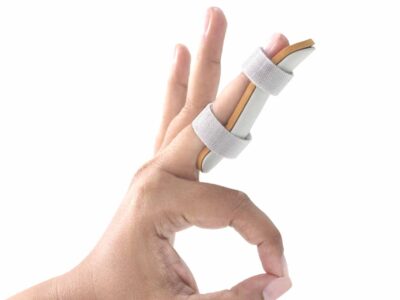
Urgent care centers bridge the gap between emergency departments and primary care clinics. They are designed to treat conditions that require prompt attention but are not life-threatening. This includes ailments such as minor fractures, sprains, ear infections, sore throats, urinary tract infections, and allergic reactions without respiratory distress.
Most urgent care clinics have on-site X-ray machines and basic laboratory services to support immediate diagnosis and treatment. They also provide vaccinations, physical examinations, and management of common illnesses like the flu, cold, and minor skin infections. The ability to walk in without an appointment makes them convenient for individuals seeking quick relief or evaluation.
The presence of urgent care centers helps reduce unnecessary ER visits, allowing emergency departments to focus on critical patients while ensuring that non-emergency cases still receive timely medical attention.
Conclusion
Both emergency rooms and urgent care facilities serve indispensable functions within the healthcare continuum. Emergency rooms handle critical, potentially life-threatening conditions requiring immediate intervention, while urgent care centers provide accessible, efficient treatment for less severe but pressing medical needs. Together, they create a comprehensive care model that benefits patients and healthcare systems alike.
Facilities like Full Spectrum Emergency Room and Urgent Care represent this integration of services—offering accessibility, expertise, and convenience to ensure that every medical concern, whether major or minor, receives the appropriate level of care at the right time.










Comments