
 By
By 
In the race to unlock the next frontier in personalized medicine, a quiet revolution is happening at the cellular level. No longer confined to operating rooms or restricted to rare donors, the promise of regenerative therapies now lives in each strand of our hair.
Stem Cell Sources for Regenerative Therapies
Traditional stem cell harvesting has long relied on invasive procedures. Bone marrow aspirations, cord blood banking at birth, and adipose tissue extraction all require either surgical methods or advanced planning. While each source has its advantages, the procedures can be complex and sometimes painful.
Hair follicle stem cells, by contrast, offer a transformative, non-invasive approach. The scalp’s sides and back harbor a rich supply of multipotent cells, ready for collection without surgery or downtime. This shift is not just about comfort; it is about making regenerative medicine accessible to a wider population.
Let’s break down the comparison:
| Source | Invasiveness | Abundance | Accessibility | Use Cases |
|—————-|————–|———–|————–|——————————|
| Bone Marrow | High | Moderate | Limited | Hematology, transplantation |
| Cord Blood | Low (at birth) | Limited | Rare (must plan at birth) | Pediatrics, rare diseases |
| Adipose Tissue | Moderate | High | Requires procedure | Orthopedics, cosmetic medicine |
| Hair Follicles | Minimal | High | Universal | Skin, hair, anti-aging |
While bone marrow and cord blood remain gold standards in certain applications, hair follicle stem cells present a unique blend of safety, ease, and potential.
Techniques in Stem Cell Follicle Extraction
Obtaining stem cells used to mean discomfort for the patient. Today, technicians can simply collect about 50 hair follicles with minimal sensation, usually from the back and sides of the scalp. This process, pioneered at Acorn Biolabs and in collaboration with Clinique Anti Aging stem cell follicle extraction, avoids surgical risk and opens the door to on-demand, personalized cell collection.
After collection, rigorous viability testing ensures only youthful, potent cells are preserved. Every batch is analyzed before moving forward, guarding against contamination or cellular aging.
Cryopreservation and Storage of Stem Cells
What happens next is nothing short of science fiction made real. The harvested cells are slowly cooled, then stored in liquid nitrogen at -196°C, halting the biological clock. Cryopreservation not only preserves cell integrity but maintains their youthful state for decades, ready for future use whenever therapies advance.
Compared to traditional refrigeration or even short-term freezing, this ultra-cold storage is the difference between a fleeting opportunity and a lifelong investment in health.
The Role of Secretomes and Exosomes in Regenerative Medicine
If stem cells are the seeds, secretomes and exosomes are the nutrients and instructions that help tissues flourish. Secretomes refer to the blend of growth factors, proteins, and extracellular vesicles secreted by cultured cells. Among these, exosomes act as tiny couriers, ferrying genetic instructions and bioactive molecules from cell to cell.
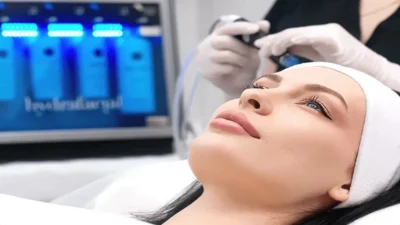
Intriguingly, secretome-based therapies may deliver many of the benefits of stem cells without the need for transplantation. They can be applied directly to the skin or hair after procedures like microneedling or laser, promoting faster healing, reduced redness, and less downtime.
Personalized Regenerative Therapies Using Autologous Cells
Personalization is the holy grail. By culturing a patient’s own hair follicle stem cells, clinics create a tailored secretome, a molecular fingerprint optimized for the individual’s unique biology. This approach not only enhances safety and biocompatibility (since the material returns to its owner), but also sidesteps the risk of immune rejection.
In practice, patients may see faster skin recovery, improved texture, and even enhanced hair regrowth, without the complication risks tied to donor-derived (allogenic) cells.
Current Clinical Studies and Research Frontiers
Acorn Biolabs, together with select partners, is running observational studies on autologous hair follicle secretomes as an adjunct to medical aesthetic procedures. Early results suggest reduced recovery times and improved outcomes for both skin and hair treatments. Researchers are also exploring broader medical uses, from wound healing to potential applications in neurodegeneration and cardiac repair.
Future Directions and Innovations in Stem Cell Follicle Extraction
Gene editing and advanced biomanufacturing are powering the next leap. Exosome-based therapies promise the benefits of regenerative medicine with fewer risks than whole-cell transplants. Imagine treating neurodegenerative diseases or heart failure using only the potent messages of youth, not the cells themselves.
Integrating Regenerative Medicine into Personalized Healthcare
As regenerative medicine matures, partnerships between innovators like Acorn Biolabs and clinics such as Clinique Anti Aging are setting the standard for tailored patient care. The journey from non-invasive collection to cryopreservation and beyond is designed to be seamless and patient-centric.
The promise of personalized regenerative therapy is finally within reach, blurring the boundaries between preventive medicine, aesthetics, and the future of longevity. The next chapter will not just be written in the lab, but in the everyday lives of people empowered to preserve and use their own cellular potential for decades to come.







Comments