
 By
By 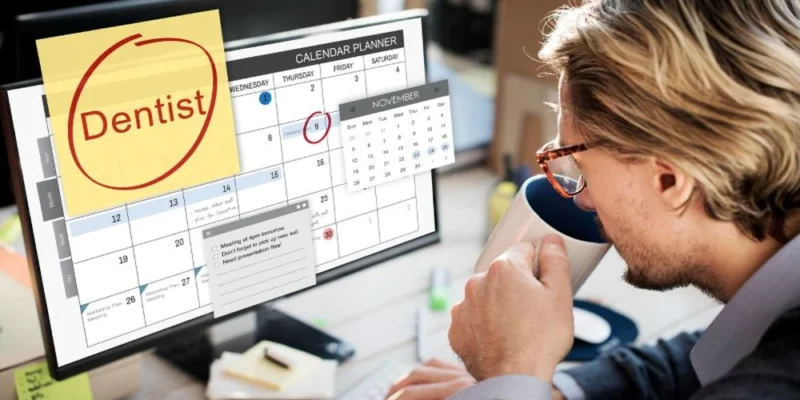
You might be feeling that getting everyone to the dentist is harder than the appointment itself. One child has soccer, another has band practice, you are juggling work meetings, and the idea of calling to schedule three or four visits with a Garden Grove family dentist makes your shoulders tense before you even pick up the phone. It is not that you do not care about your family’s teeth. You care a lot. You are just tired of the chaos that seems to come with every family dental visit.end
Because of that tension, you might find yourself pushing dental checkups further out than you would like. Maybe you skip a cleaning or two, tell yourself you will schedule “when things calm down,” and suddenly it has been more than a year since your child sat in a dental chair. You are not alone. Many families struggle to keep regular appointments, even though routine care is one of the simplest ways to prevent bigger problems.
The good news is that you do not need a perfect calendar or a superhuman memory to stay on top of care. With a few simple scheduling habits, you can turn family dentist visits from a source of stress into something that feels organized and predictable. In short, these six scheduling hacks will help you group visits, use reminders wisely, work with your dentist’s office as a partner, and protect your time so dental care actually happens instead of living on a wish list.
Why do family dental appointments feel so hard to manage?
Think about the last time you tried to schedule dental visits for everyone. Maybe you called the office with the best intentions, only to realize that the available times did not match school pick up, your partner’s work schedule, or your own meetings. You hang up promising to “check the calendar” and call back, but that second call never quite happens.
This is the first part of the problem. Dental care is important, but it rarely feels urgent until there is pain. So daily life pushes it to the background. According to federal health data, many children and adults miss recommended checkups each year, even though regular visits are linked to better long term health. You can see that pattern reflected in national numbers on how often people actually get dental visits.
The second part of the problem is emotional. You might worry that your child will be anxious, that the hygienist will find cavities, or that you will be quietly judged for how long it has been. When you carry that worry, your brain naturally looks for reasons to delay. A busy schedule becomes an easy excuse, even if your deeper concern is what will happen in the chair.
So, where does that leave you? You care about your family’s health, you know regular cleanings matter, but you feel squeezed by time and worry. That is exactly where a few thoughtful scheduling habits can make things easier.
What makes smart scheduling such a powerful tool for your family dentist visits?
When you think about a family dental appointment strategy, you are really trying to solve three things at once. You want fewer disruptions to your day, fewer missed or forgotten appointments, and fewer surprises like emergency visits or bigger treatment plans. Smart scheduling does not just save time. It supports your family’s long term oral health.
Consider a common “what if” scenario. What if your child misses two years of cleanings because sports, school, and family events always win out? Small spots of early decay that could have been handled easily may turn into larger cavities. That can mean more time in the chair, more cost, and more stress for everyone. On the other hand, regular visits paired with good daily care, like consistent brushing and flossing, can prevent many of those issues. The basics of effective home care are outlined in this guide to good oral hygiene habits.
There is also a financial side. Preventive visits are usually covered at a higher rate than fillings or crowns. When care is delayed, you may face larger bills that could have been avoided. Smart scheduling supports preventive care, which often saves money over time.
Finally, there is the emotional layer for your children. When visits are regular and calm, kids begin to see the dentist as routine, not scary. They know what to expect. They feel more in control. The National Institutes of Health notes that strong habits and positive experiences early on help build a healthy mouth for kids. Consistent scheduling is one very practical piece of that puzzle.
How do common scheduling approaches compare for busy families?
Different families handle dental appointments in different ways. Some book at the last minute, others schedule a full year in advance. Each approach has tradeoffs. Seeing the differences clearly can help you choose what actually fits your life instead of repeating a pattern that does not work.
| Scheduling Approach | How It Works | Pros for Families | Common Drawbacks |
|---|---|---|---|
| Last minute booking | Call only when you “have time” or remember someone is overdue. | Feels flexible. No long term calendar commitments. | Hard to get back to back appointments. Limited after school options. Higher risk of long gaps between cleanings. |
| One child at a time | Schedule each person separately whenever it fits their schedule. | Easy to focus on one child. Shorter visits per day. | More trips to the office. More time off work or school. Harder to track who is due next. |
| Grouped family blocks | Book two or more family members back to back with the same dentist or hygienist. | Fewer trips. Easier to remember. Can pair with half days or school breaks. | Requires planning ahead. May need some flexibility on exact times. |
| Pre booked yearly plan | Schedule the next visit at checkout for everyone, often 6 months ahead. | Minimal decision making later. Built in reminders. Better chance of preferred times. | Requires updating if major schedule changes. Needs a bit of calendar organization. |
So which pattern matches your current reality? And which one gets you closer to the calm, predictable family dentist routine you actually want?
6 scheduling hacks that make family dental visits feel manageable
These six scheduling hacks are simple by design. The goal is not perfection. The goal is to reduce friction so that regular checkups become an easy habit, not a recurring headache.
1. Book in “family blocks” instead of one by one
Ask the office to put two or more family members back to back, or even side by side if there are multiple hygienists. For example, you and one child can go at the same time in different rooms, then switch for the next child. This turns three separate trips into one visit on one day.
Family blocks work especially well on early release school days or days when you already expect some disruption. You are trading one busy afternoon for months of peace of mind.
2. Schedule the next appointment before you leave the office
Before you walk out, stop at the front desk and put the next visit on the calendar. Treat that step as part of the appointment, not an optional extra. You do not have to know every soccer or work schedule six months ahead. You just need a “good enough” time that is likely to work.
If something changes, you can always adjust. The difference is that you are moving an existing appointment, not trying to squeeze in from scratch. Offices can usually shift existing bookings more easily than they can create new ones at popular times.
3. Use two reminders, not ten
Too many reminders can become noise. Choose two that you know you will see. For example, one email a month before, and one text a few days before. Then add a simple note in your own calendar, such as “Dental day for kids” along with the time.
If you share a digital calendar with a partner, invite them to the event so everyone knows the plan. This makes it easier to arrange rides, adjust work schedules, and avoid double booking.
4. Protect after school and early morning slots with a plan
After school and early morning appointments are often the first to go. If those times are important, say so clearly when you book. Ask to be placed on a short notice list for your preferred window. Many offices will call you if someone cancels in your time frame.
You can also rotate. One visit might be after school for your younger child, the next might be a later morning visit for your older child on a day they can go in a bit late. You are sharing the inconvenience rather than letting it always fall on the same person.
5. Pair dental visits with existing routines
Habits stick better when they are attached to something you already do. If your family has a tradition like “Friday pizza night” or “Saturday library trip,” consider adding checkups near those patterns a couple of times a year. You might choose the same month every year, such as “spring break dental checkups” and “back to school cleanings.”
When the timing is predictable, you are less likely to forget and more likely to plan around it. Over time, your children may come to expect that certain times of year are simply “teeth check” times, just like they expect school shopping or sports sign ups.
6. Talk openly with your dental team about your real constraints
You do not have to pretend you have unlimited flexibility. If you are caring for multiple kids, working nontraditional hours, or managing special needs, say that clearly. A good office will help you find options that respect your limits. They might suggest longer but less frequent visits, specific days that align with your schedule, or quieter times of day for anxious children.
Think of the office staff as part of your support system, not just the people who answer the phone. The more honest you are, the easier it is for them to help you create a stress free family dental visit plan that fits real life, not an ideal version of it.
3 simple actions you can take this week
Action 1. Look at the last time each family member saw a dentist
Start with awareness. Check your emails, texts, or calendar and write down the month and year of the last visit for each person. If it has been more than 6 to 12 months, mark their name as “due.” This quick snapshot gives you a clear picture instead of a vague feeling that “it has been a while.”
Action 2. Call to schedule one family block in the next 2 months
Choose a target week, such as during a school break or a lighter work period. When you call, ask specifically for back to back appointments for as many people as possible. If they cannot fit everyone, prioritize who is most overdue, then ask to book the remaining family members at your checkout visit.
Action 3. Set up your reminder system before you hang up
While you are still on the phone or at the front desk, confirm how reminders will come to you. Make sure they have your best phone number and email. Then immediately add the appointment to your digital or paper calendar with a short note. This closes the loop so you are not relying on memory alone.
Bringing it all together so dental care feels doable
You do not need to overhaul your entire life to keep up with family dental care. A few thoughtful scheduling habits can turn something that feels stressful into a simple routine. Group visits where you can, pre book before you leave, use reminders that you will actually see, and be honest with your dental team about what your family can manage.
Most of all, give yourself some grace. If you are catching up after a long gap, you are still moving in the right direction. Each appointment you schedule is one more step toward fewer surprises, fewer emergencies, and a healthier mouth for everyone at home.







Comments