
 By
By 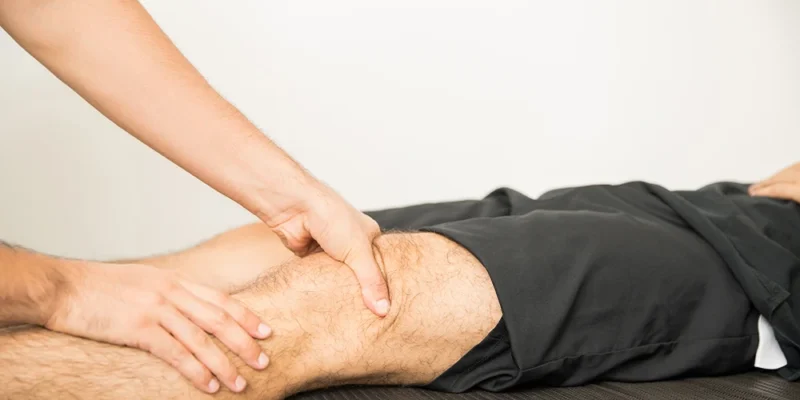
Key Takeaways
- Knee pain can result from injuries, overuse, osteoarthritis and other conditions affecting the joint or surrounding tissues.
- Traditional Chinese Medicine (TCM) may use acupuncture, tuina and other approaches to manage musculoskeletal symptoms.
- TCM bone setting in Singapore may involve manual techniques, but suitability depends on the cause and severity of the knee problem.
- Persistent pain, significant swelling, instability or difficulty bearing weight may require medical assessment to identify the underlying cause.
- TCM for knee pain can sometimes be used alongside conventional care, provided treatments are appropriately coordinated.
Introduction
Knee pain can affect walking, climbing stairs, exercising and other everyday movements. Because the knee contains bones, cartilage, ligaments, tendons and other structures, pain can arise from several different sources.
Some patients explore Traditional Chinese Medicine as part of their approach to symptom management. That said, before considering TCM for knee pain in Singapore, it is useful to understand how knee problems are assessed, which TCM methods may be offered and when conventional medical evaluation remains important.
What Is Knee Pain and How Does It Affect Knee Movement?
Knee pain is discomfort occurring within or around the knee joint. Its effects on movement depend on the underlying condition, the structures involved and the severity of symptoms.
Common causes can include:
- Sprains and other soft-tissue injuries
- Tendon irritation
- Meniscus or ligament injuries
- Osteoarthritis
- Overuse associated with repetitive activity
- Certain inflammatory or joint conditions
Pain may make bending or straightening the knee uncomfortable. Swelling and stiffness can also reduce the joint’s normal range of movement, while some injuries can cause sensations of instability, locking or giving way.
Symptoms alone do not always reveal their exact cause. Assessment is therefore important before deciding which treatment approach is appropriate.
How Does TCM Approach Knee Pain?
TCM uses a traditional diagnostic framework that differs from conventional medical diagnosis. Practitioners may ask about the location and nature of the discomfort, how long symptoms have been present and whether particular activities make them better or worse.
A consultation may also involve physical examination of the affected area. The practitioner can then determine whether a particular TCM intervention is suitable.
Patients considering TCM for knee pain should still recognise the importance of identifying injuries or medical conditions that may require conventional investigation. TCM assessment does not replace medical imaging or specialist evaluation when these are clinically necessary.
Overall, the approach should begin with determining whether conservative symptom management is appropriate or whether further medical investigation is required.
What TCM Approaches May Be Used for Knee Pain?
Different TCM techniques may be considered depending on the individual assessment.
| TCM approach | General purpose |
| Acupuncture | Uses fine needles at selected points and is sometimes used for pain management |
| Tuina | Uses manual techniques such as pressing, kneading and mobilisation |
| Cupping | Creates suction on the skin and may be used as part of traditional musculoskeletal care |
| Chinese herbal medicine | Uses herbal formulations selected according to a TCM assessment |
| Bone setting | Uses manual techniques intended to address musculoskeletal function |
Patients exploring TCM bone setting in Singapore should tell the practitioner about recent injuries, previous surgery and any diagnosed joint conditions. Forceful manipulation may not be appropriate for every knee problem.
Treatment choice should therefore reflect the patient’s symptoms, health history and any existing diagnosis. Qualified practitioners should also recognise situations that warrant referral for further medical assessment.
Can TCM Be Used Alongside Conventional Knee Pain Treatment?
TCM may be used as a complementary approach rather than necessarily replacing conventional treatment. Conventional management varies according to the cause of knee pain and may include activity modification, physiotherapy, exercise, medicines, injections or surgery.
- Inform healthcare professionals about treatments they are receiving.
- Discuss herbal medicines because they may interact with prescribed medicines.
- Avoid delaying recommended investigations for persistent or worsening symptoms.
- Follow rehabilitation advice after significant knee injuries or surgery.
- Seek prompt assessment for severe swelling, inability to bear weight or major trauma.
For example, acupuncture may be considered alongside an exercise-based rehabilitation programme when clinically appropriate. However, manual treatments should not interfere with restrictions established following surgery or an acute injury.
In summary, coordinated care helps ensure that TCM and conventional treatment serve compatible purposes rather than working against one another.
FAQs
Is TCM suitable for every type of knee pain?
No. Suitability depends on the cause and severity of the symptoms. Acute trauma, significant instability, severe swelling and persistent unexplained pain may require conventional medical assessment before complementary treatment is considered.
Can acupuncture help with knee pain?
Acupuncture is used for pain management and has been studied particularly in relation to knee osteoarthritis. Individual outcomes vary, and it should not replace necessary treatment for structural injuries or other underlying conditions.
Is TCM bone setting the same as physiotherapy?
No. TCM bone setting is based on traditional manual practices, while physiotherapy uses rehabilitation approaches informed by contemporary anatomy, biomechanics and clinical evidence. The assessment methods and treatment frameworks therefore differ.
Should I get a medical diagnosis before trying TCM?
A medical assessment can be particularly important when pain follows significant trauma, persists, becomes worse or is accompanied by marked swelling or loss of function. Determining the cause can help guide safer treatment choices.
Can TCM and physiotherapy be used together?
They may sometimes be used together when appropriate. Patients should tell both practitioners about their treatments so that manual therapy, exercise and other interventions can be coordinated safely.
Contact Liang Yi TCM and discover how our bone-setting techniques can support your mobility.





Comments