
 By
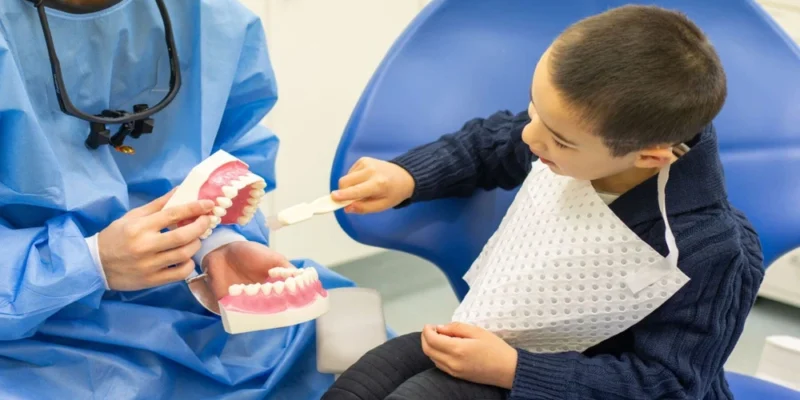
You brush, remind your kids to brush, try to keep snacks in check, and still wonder if you are doing enough. If you have a toddler who fights the toothbrush, a teen with braces, or an older parent dealing with dry mouth and sore gums, oral care can feel like one more thing that slips down the list until pain forces it back up, which is why seeing a family dentist in Edison, NJ can make it easier to stay ahead of problems. That is usually how problems start. A small spot becomes a cavity, bleeding gums turn into gum disease, and a missed cleaning leads to treatment that costs more, takes longer, and feels harder to face.
Preventive dentistry changes that pattern. It keeps routine care routine. It helps children build healthy habits early, helps adults avoid damage that builds quietly over time, and helps seniors protect comfort, chewing, speech, and confidence. A family dentist looks at the whole arc of life, because what a six year old needs is different from what a sixty five year old needs, even though the goal is the same. Keep the mouth healthy before pain and expense take over.
Preventive dental care works because oral problems rarely stay small
Tooth decay and gum disease do not always announce themselves early. You may not feel a cavity when it starts. You may not notice gum inflammation until you see blood in the sink. Children can seem fine and still have weak spots in back teeth where brushing misses. Adults often grind their teeth at night, sip coffee or soda through the day, or delay cleanings because life gets busy. Older adults may deal with medications that reduce saliva, which raises the risk of decay and mouth sores.
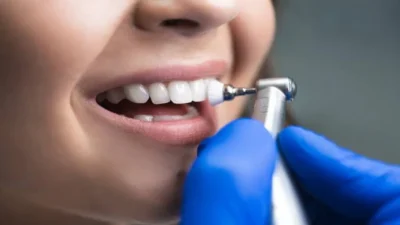
That is where preventive dental care for all ages earns its value. Regular exams and cleanings catch problems before they become root canals, extractions, dentures, or infections. Fluoride strengthens enamel. Sealants protect the grooves where kids often get cavities. Professional guidance helps you adjust care when life changes, whether that means teething, orthodontics, pregnancy, diabetes, or dry mouth.
The cost side matters too. Many people avoid visits because they are trying to save money. Then a simple filling turns into a crown, or untreated gum disease leads to tooth loss and replacement costs. The cheaper path is often the one that starts earlier. Prevention also protects time. A cleaning and exam are easier to fit into a schedule than multiple treatment visits after pain starts.
Children and adults need different advice, and trusted public health guidance reflects that. The CDC shares practical oral health tips for children, including brushing with fluoride toothpaste and building habits early. Adults benefit from the CDC’s oral health tips for adults, which focus on daily care, tobacco risks, and regular dental visits. For older adults, the National Institute of Dental and Craniofacial Research offers a helpful guide on oral health for older adults, including concerns like dry mouth, gum disease, and denture care.
Family dentistry supports each stage of life without starting over
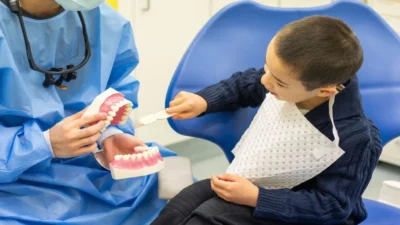
A toddler needs a gentle introduction to the dental chair and support for healthy habits at home. A school age child may need sealants, fluoride, and monitoring as adult teeth come in. Teenagers often need extra coaching around braces, sports mouthguards, and sugary drinks. Adults need consistent checks for cavities, gum disease, worn enamel, and oral cancer screenings. Seniors may need care that accounts for arthritis, medications, receding gums, or existing dental work that has to last.
Family dentistry makes this easier because care stays connected. A family dentist can spot patterns in habits, diet, and home care, then tailor prevention to each person instead of giving everyone the same advice. If one child is cavity prone and another is not, the care plan should reflect that. If a parent clenches at night and a grandparent has dry mouth from medication, those risks need different solutions.
This kind of care also lowers stress. You are not retelling your health history at every stage or bouncing between offices that do not know your family. That continuity matters when you are trying to stay ahead of problems instead of reacting to them.
Home care and professional care do different jobs
| Preventive step | What you can do at home | What a family dentist adds |
|---|---|---|
| Plaque control | Brush twice a day with fluoride toothpaste and floss daily | Removes hardened buildup and checks for areas you miss |
| Cavity prevention | Limit frequent sugary snacks and drinks | Applies fluoride treatments and sealants when needed |
| Gum health | Watch for bleeding, swelling, or bad breath | Finds early gum disease before teeth loosen or bone is affected |
| Age related changes | Notice sensitivity, dry mouth, or chewing discomfort | Adjusts care for braces, pregnancy, medications, dentures, and aging gums |
| Long term costs | Maintain daily habits to lower risk | Catches small issues early, when treatment is usually simpler and less expensive |
Small steps in preventive oral health build lasting results
1. Set a care routine that matches age and risk.
Do not assume everyone in your home needs the same plan. Young children may need help brushing far longer than expected. Teens with braces need more time and better tools. Adults with gum sensitivity may need a softer brush and closer monitoring. Seniors with dry mouth may need saliva support and more frequent checks.
2. Treat warning signs early.
Bleeding gums, tooth sensitivity, mouth sores, bad breath that lingers, pain when chewing, and loose dental work are not things to wait out. Early treatment is usually simpler, less invasive, and less expensive. Waiting rarely makes oral problems smaller.
3. Keep regular visits with a family dentist.
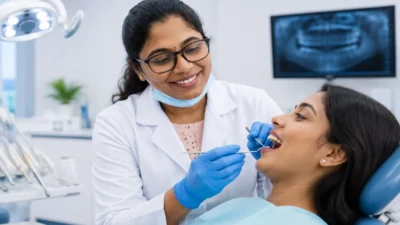
Daily care at home is the base, but it does not replace professional exams and cleanings. A family dentist can track changes over time, update prevention strategies, and catch issues you cannot see in the mirror. That is the heart of preventive oral health care. Stay ahead of problems so they do not decide the schedule for you.
Prevention protects comfort, confidence, and quality of life
A healthy mouth affects more than teeth. It affects eating, sleeping, speaking, smiling, and the way you feel walking into work, school, or a family photo. Preventive dentistry protects those daily moments from the first baby teeth to later life. If your family has fallen behind, that does not mean you failed. It means now is a good time to reset with care that is steady, practical, and built to last.
Schedule a visit with a family dentist and make prevention the easier path for every age in your home.


Comments