
 By
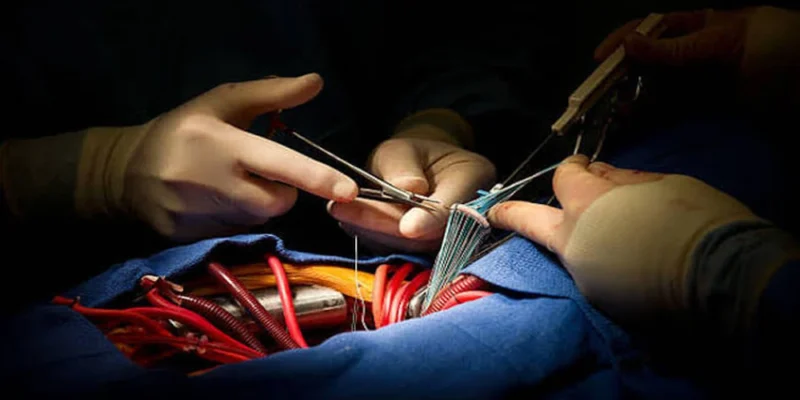
Muscat to Mumbai is a flight of under three hours, and for many Omani families facing a heart valve problem that short distance matters. India offers surgical valve replacement as well as catheter-based procedures such as TAVI and TEER, often at a lower cost than private care in the Gulf, and a growing number of patients from Oman, the UAE and Saudi Arabia travel for an opinion or a procedure. If you are considering medical treatment in india for a valve condition, this guide explains how the process works from the first email to the follow-up appointment back home.
Start with a remote review, not a flight
Before anything else, send your records for review. A specialist team will want:
- The most recent echocardiogram report with the original image or video files
- CT or angiography reports and the original scan files, if these were done
- ECG and recent blood tests
- Discharge summaries and procedure records from earlier treatment
- Current prescriptions and known allergies
- A clinical summary from your cardiologist in Oman, if available
Ask your hospital or diagnostic centre in Oman for the complete digital study on a CD, USB or secure link. Screenshots of reports are not enough, and large files need transfer instructions rather than email. Records should be shared only with the patient’s consent; if a relative or referring doctor sends them, explain the relationship.
The review gives you direction: whether your condition is one the team treats, which options might apply and whether it is worth travelling. It cannot guarantee that a particular procedure will be suitable; final eligibility often depends on an examination, detailed imaging and tests in Mumbai.
What treatments might be discussed
- Aortic stenosis: surgical valve replacement or TAVI/TAVR, chosen on the basis of anatomy, heart function and surgical risk rather than age alone
- Mitral regurgitation: medicines and monitoring, surgical repair or replacement, or TEER (MitraClip) where the anatomy is suitable
- Selected structural conditions: TMVR or device closure in specific cases
Ask for the reasoning behind any recommendation in writing, including the alternatives.
Visa options for Omani patients
Omani nationals may be eligible for an Indian e-Medical Visa, which is applied for online. A regular Medical Visa is also available through the Embassy of India in Muscat. The embassy’s published requirements include a recent medical report from a local doctor and confirmation of a consultation with an Indian hospital, so the medical review has to come before the application. After medical acceptance, the treating team can coordinate the hospital appointment or invitation letter. Up to two blood-relative attendants may be eligible to accompany the patient, subject to the attendant visa process. An invitation letter does not guarantee approval; the Government of India makes the final decision, so avoid non-refundable bookings until the visa and appointment are confirmed.
Language, airport and accommodation support
Ask in advance what support is available. Some teams, including Heart Valve Experts in Mumbai, can help arrange Arabic language support, airport assistance and accommodation for Gulf patients; confirm what is included and what carries a separate charge. Also confirm the consultation address, the hospital where any procedure would take place, the assessment period and the expected total stay before booking flights. Check fitness to fly with your treating doctor and the airline.
India as a destination for heart care
Much of what is written about medical tourism in india focuses on cost, but for valve disease the more important factors are the availability of catheter-based options, the experience of the team with those procedures, and clear communication before, during and after treatment. Judge a centre on how thoroughly it reviews your records and how clearly it explains your options, not on the price alone.
Understanding the cost
After the record review, request a written estimate. Check whether it covers consultations, imaging and tests, the procedure, the implant, medicines and accommodation, and ask about payment terms and possible additional costs. Flights, hotel, attendant expenses and any extended stay should be budgeted separately. The final figure may change after assessment or if further treatment becomes necessary. Insurance from Oman may or may not cover treatment abroad; confirm with your insurer before travelling.
Planning the stay in Mumbai
A typical sequence is a few days of assessment, the procedure, and a recovery period before you are cleared to fly. Catheter-based procedures generally involve shorter stays than open surgery, but the team will advise based on your case. The general pathway for overseas patients is set out on the international patients page, and the TAVI in Mumbai page describes what the procedure involves.
Going home: follow-up in Oman
Before leaving India, collect the discharge summary, test results, procedure report, prescriptions and a written follow-up plan. Share the complete record with your cardiologist in Oman, who will handle routine monitoring, blood tests and medicine adjustments. Ask whether remote follow-up with the Indian team is available; it complements local care but never replaces routine monitoring or urgent care in Oman.
When to seek emergency care
After valve treatment, go to the nearest emergency department if you experience chest pain, breathlessness at rest, fainting, persistent fever, uncontrolled bleeding, or sudden weakness, facial drooping or difficulty speaking. Patients on blood thinners should keep every monitoring appointment.
The bottom line
For Omani and other Gulf patients, medical treatment in india for heart valve disease works best when the steps happen in the right order: records, remote review, invitation letter, visa, then travel, with a written estimate in hand and follow-up arranged before you leave Mumbai. The short flight makes India practical; careful planning makes it safe.
Disclaimer: This article is for general information only and is not a substitute for medical or legal advice. Visa rules change; always confirm current requirements with the Embassy of India in Muscat, and consult a qualified cardiologist about treatment.




Comments