
 By
By 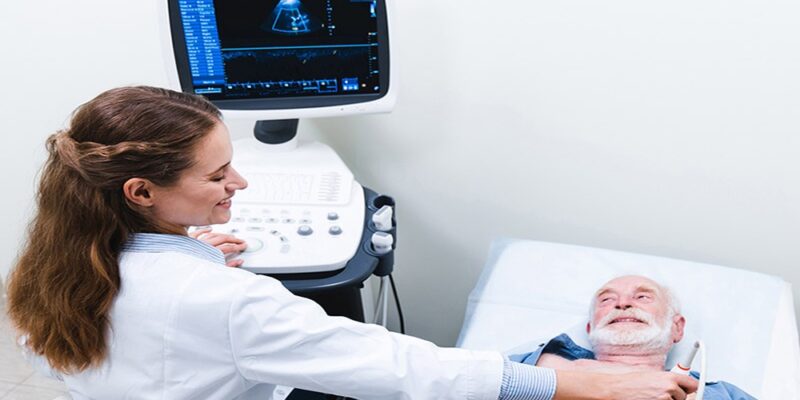
A 2D echocardiogram is a painless procedure that evaluates heart health while it is in motion. Depending on the type of echocardiogram, these real-time images will show the size and shape of the heart, how well the valves are functioning, how the heart chambers are moving, and how the blood is flowing through the heart. It is a non-invasive test and is a type of cardiac ultrasound.
Why should you undergo a 2D echo?
A 2D echo test may be done if you have a new or worsening chest pain. Some of the common symptoms that could be related to a cardiac condition:
- Dizziness or fainting spells
- Shortness of breath
- High blood pressure
- Chest pain
- Low blood pressure
- Heart muscle may be damaged or thickened abnormally
- An abnormal heart rhythm
- Swelling (edema) in your legs or abdomen
- If you have had a stroke
A 2D echo is a regular procedure that is routinely used in the diagnosis and follow-up of patients with any suspected or any known heart diseases. You can find out the 2D echo test cost by searching it online. The echocardiogram cost will vary depending on the lab and the location.
What it detects?
A 2D echo is recommended to get a better understanding of the following:
- The heart’s size and shape, along with its chambers
- Pumping function, if it is normal or reduced to a mild/severe degree
- The sac that surrounds the heart
- Valve function – structure, thickness, and movement of heart’s valves
- Blood clots – to find out the location and extent of the heart tissue damage
- Congenial heart defects: Detecting heart problems in infants, such as a hole in the heart wall
- Weakening of heart muscles – It can lead to the reduced blood supply to the heart
To know echo test price in your vicinity, do an online search.
Types of Echo Test
- Transthoracic Echocardiogram – This cardiac investigation gives detailed insights into cardiac structure and function, helping to establish a diagnosis and guide therapy.
- Stress Echocardiogram or Stress Echocardiography: This test is done to assess how well the heart works in case of stress. It is used to detect a decrease in blood flow to the heart from narrowing in the coronary arteries.
- Transesophageal Echocardiogram (TTE): In this test, a tube is put down in the esophagus with an ultrasound device that takes a series of moving pictures of your heart. A TTE produces detailed pictures of the blood vessels attached to the heart and its outer lining. It also gives a closer look at the heart’s valves, chambers, and blood vessels.
- Doppler Echocardiogram: It provides hemodynamic evaluation of the heart. It helps determine both the functioning of the heart and how the blood flows across the valves, within the heart chambers, and in the great vessels.
A 2D echo is a safe modality and does not pose any side effects to the patients. The most common issue is some mild discomfort when the technician presses the transducer against the chest.
Disclaimer: This information is intended for general awareness only. Always consult a qualified healthcare professional for personalised evaluation and treatment.




Comments