
 By
By 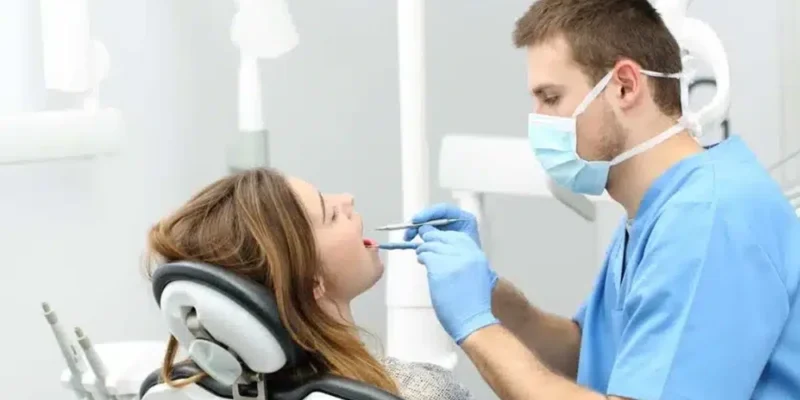
Your body changes, and suddenly your mouth does too. Food tastes different. Your gums bleed when they did not before. Your mouth feels dry all day, or brushing leaves you sore and tired. If you are dealing with a new diagnosis, medication changes, recovery after illness, or the effects of aging, dental care can start to feel like one more thing you have to manage when you already have enough on your plate. For some people, concerns may also include options like clear aligners for adults in Smithfield RI.
That stress is real. Health changes rarely stay in one part of the body. They affect sleep, eating, energy, mood, and routine, and your mouth often reflects all of it. A general dentist helps you adjust to those shifts in a way that is practical and steady. The goal is not perfection. It is keeping you comfortable, catching problems early, and helping you protect your teeth and gums while the rest of your health is changing.
Health changes often show up in the mouth first
Many people notice oral symptoms before they understand what is causing them. Diabetes can raise the risk of gum disease and slow healing. The CDC explains the link between diabetes and oral health, including higher chances of infection and dry mouth. Medications for blood pressure, depression, allergies, pain, and other conditions can reduce saliva. The National Institute of Dental and Craniofacial Research outlines common signs of dry mouth, such as trouble chewing, cracked lips, bad breath, and more cavities.
When saliva drops, your mouth loses one of its main defenses. Acids sit on teeth longer. Bacteria build up faster. Dentures may rub. Speaking can feel awkward. Eating becomes less enjoyable, so some people start avoiding healthy foods that are harder to chew. That can turn into a cycle where oral discomfort affects nutrition, and poor nutrition makes recovery harder.
This is where general dentistry after health changes matters. A dentist can spot patterns that fit your new health picture, adjust your care plan, and help you avoid the kind of small problems that become expensive, painful, and time consuming later.
General dental care supports daily comfort and long term stability
Adapting to illness or medication changes often means changing habits you never had to think about before. You may need more frequent cleanings because plaque is building up faster. You may need a fluoride rinse if dry mouth is causing decay around the gumline. If arthritis, fatigue, or stroke recovery makes brushing harder, your dentist can suggest tools that match your grip and energy level instead of expecting you to force the old routine.
That kind of support is easy to underestimate until you need it. A person going through cancer treatment may develop mouth sores and struggle to keep the mouth clean without pain. Someone with diabetes may notice swollen gums that bleed more than usual. An older adult adjusting to multiple prescriptions may think constant dryness is just part of getting older. It is common, but it is not something you have to simply tolerate.
Dental care during health transitions is often about adaptation, not just treatment. A general dentist may coordinate timing around medical procedures, monitor healing more closely, and recommend products or scheduling changes that fit your current health instead of your past routine.
Small oral problems can become bigger health burdens
When your health is already strained, even minor dental issues can hit harder. A cavity that would have been manageable six months ago can turn into severe pain if you are dehydrated, immune compromised, or delaying care because appointments feel overwhelming. Gum inflammation can make eating harder, and that matters when you need steady nutrition. Ill fitting dentures can create sores that heal slowly. Mouth pain also affects sleep, and poor sleep makes everything else harder.
There is often a financial layer too. People trying to manage a chronic condition may put off routine dental visits to save money, only to face more costly treatment later. Preventive care is not glamorous, but it is often the least disruptive option. Regular exams, cleanings, and early treatment usually cost less than emergency visits, extractions, or advanced gum treatment.
Practical differences between waiting and getting general dentist support
| Situation | Waiting it out | Working with a general dentist |
|---|---|---|
| Dry mouth from medication | Higher cavity risk, trouble eating, mouth irritation | Saliva support strategies, fluoride options, earlier cavity prevention |
| Bleeding gums after a diabetes diagnosis | Inflammation may worsen, healing may slow | Closer gum monitoring, more frequent cleanings, home care changes |
| Reduced hand strength or fatigue | Brushing and flossing become inconsistent | Adaptive tools, simpler routines, realistic hygiene planning |
| Mouth soreness during recovery or treatment | Eating and cleaning may become difficult | Evaluation of sores, comfort focused recommendations, prevention of added damage |
Even basic home care may need to change. MedlinePlus offers guidance on brushing and flossing your teeth, but if your health has shifted, technique alone may not solve the problem. The right routine has to match what your body can do now.
Three steps you can take right away
Track what changed. Write down new oral symptoms, when they started, and any medication or health changes that happened around the same time. Dryness, bleeding, soreness, bad taste, jaw pain, and changes in chewing all matter. This helps your dentist connect the dots faster.
Bring your full medication list to your dental visit. Include prescriptions, over the counter products, and supplements. Many oral side effects come from medications, and your dentist needs the full picture to make safe, useful recommendations.
Ask for a care plan built for your current routine. If you are tired, dealing with pain, or managing a chronic condition, say so plainly. A better toothbrush, shorter hygiene routine, extra fluoride, or more frequent cleanings may help more than being told to “brush better.”
General dentistry gives you a steadier way to adjust
Health changes can make you feel like your normal life has been replaced by appointments, instructions, and new limits. Oral care should not add confusion. General dentistry gives you a practical place to start. It helps protect comfort, preserve function, and reduce the chance that dental problems will pile onto everything else you are carrying.
If your mouth has changed since your health changed, do not brush it off. Schedule a visit with a general dentist and get a plan that fits where you are now.



Comments