
 By
By 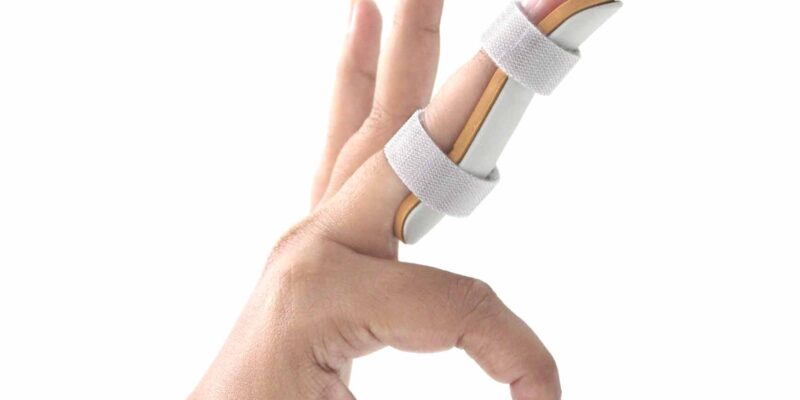
Living with rheumatoid arthritis can make everyday tasks feel more difficult than they once were. Simple movements, such as opening jars, typing, or holding objects, can become uncomfortable when your hand and fingers are affected.
Managing rheumatoid arthritis fingers often involves finding ways to reduce discomfort, support the joints and maintain movement. A finger splint is one option that may be recommended alongside medication, therapy and lifestyle changes, but many people are unsure about when they should actually wear one.
The best time to use a splint depends on your symptoms, the condition of your joints and your individual treatment plan. When used correctly, a splint can provide support, protect vulnerable joints and help relieve pain without unnecessarily restricting movement.
Rheumatoid arthritis, joint health and the hand and fingers
Unlike osteoarthritis, which is commonly linked to the gradual breakdown of cartilage caused by wear and tear on the joints, rheumatoid arthritis is an autoimmune condition. This means the immune system attacks healthy tissues in the body, particularly the tissues in your joints, causing an ongoing inflammatory response.
The cause of rheumatoid arthritis is not fully understood, but researchers believe genetics and environmental factors may contribute. The condition often affects the small joints, including the finger joints, joints of the fingers, and the hand and wrist.
When rheumatoid arthritis is active, the immune response can cause swelling of the joint lining, leading to pain, stiffness and gradual joint damage. Over time, inflammation can weaken the structures that support the joints, including the ligaments and tendons, which may affect how the fingers move.
Symptoms of rheumatoid arthritis, joint pain and when a splint may help
Recognising the early signs and symptoms of rheumatoid arthritis can help people access treatment sooner. The main symptoms often include:
- Persistent joint pain and tenderness
- Joint swelling around the fingers, hands or wrists
- Morning stiffness that is often worse in the mornings
- Reduced grip strength
- Difficulty moving the fingers and hands
- Warmth and discomfort caused by inflammation
Unlike some other forms of arthritis, rheumatoid arthritis often affects the same joints on both sides of the body. For example, both hands or multiple finger joints may become affected.
During a flare, the inflammation may become more intense and cause pain during everyday activities. This is often when a splint can be particularly useful. By supporting the joint and limiting movements that place extra strain on irritated tissues, a splint may help reduce discomfort and allow the area to rest.
A healthcare professional may recommend wearing a splint if you:
- Experience increased pain or swelling during a flare
- Need extra support when completing daily activities
- Have difficulty using your hands because of stiffness
- Notice changes in finger alignment
- Need to rest affected joints overnight
- Have been advised to use one as part of your treatment
Rheumatoid arthritis of the hand, finger joints and preventing deformity
As rheumatoid arthritis progresses, ongoing inflammation can affect the stability of the joints in the hands. Damage to tendons, ligaments and surrounding tissues may eventually contribute to changes in finger shape, known as a deformity.
Two common examples associated with rheumatoid arthritis include boutonniere deformity and swan-neck deformity.
A boutonniere deformity occurs when the middle joint of the finger bends towards the palm while the end of the finger may straighten or extend. A swan-neck deformity creates the opposite appearance, where the middle joint becomes overextended, and the fingertip bends downwards.
Specialist splints can help support the finger joints and improve alignment. While splints cannot reverse existing deformities, they may reduce strain on weakened joints and help maintain better function.
Why do people with rheumatoid arthritis wear finger or wrist splints?
Splints are designed to provide stability and protection for vulnerable joints. They are often used as part of a wider approach to treatment for rheumatoid arthritis, rather than as a replacement for medication or other therapies.
A correctly fitted splint may help:
- Relieve pain during movement
- Support weakened joints and tendons
- Reduce unnecessary stress on inflamed areas
- Improve finger positioning
- Help protect joints from further strain
- Make everyday tasks more manageable
Some people may wear a splint during activities such as cooking, writing or working, while others may only need one during periods of increased symptoms or overnight.
The type of splint recommended will depend on the affected joints. For example, some people may benefit from finger splints, while others may need support around the wrist, especially if symptoms are linked to carpal tunnel syndrome.
Treatment for rheumatoid arthritis and how splints fit into care
Splints are only one part of a complete approach to treating rheumatoid arthritis. Because rheumatoid arthritis is an autoimmune and inflammatory condition, treatment usually focuses on reducing inflammation and preventing long-term damage.
A treatment plan may include:
- Disease-modifying antirheumatic drugs that act on the immune system
- Medication to help manage pain and inflammation
- Hand therapy or occupational therapy
- Finger or wrist splints
- Exercises to maintain movement and strength
- Lifestyle changes that support joint health
For patients with rheumatoid arthritis, early and consistent treatment is important. When inflammation is controlled, there is less risk of severe joint damage and changes that may require more advanced treatment.
Rheumatoid arthritis signs and symptoms, diagnosis and related conditions
Doctors diagnose rheumatoid arthritis by looking at a combination of symptoms, physical examinations and test results. Blood tests may check markers such as rheumatoid factor, while imaging may help identify changes within the joints.
Guidelines from organisations such as the American College of Rheumatology help healthcare professionals identify and manage rheumatoid arthritis effectively.
Some people may also develop rheumatoid nodules, which are firm lumps that appear under the skin near affected joints. Inflammation around the wrist may also contribute to problems such as carpal tunnel syndrome, which can cause numbness, tingling or weakness in the hand.
Surgical treatment for advanced rheumatoid arthritis
Although modern treatments have improved outcomes for many people, some cases of rheumatoid arthritis may continue to progress. Long-term inflammation can lead to narrowing of the joint space, tendon damage or significant instability.
If symptoms cannot be managed with medication, therapy, and splinting, surgical treatment may sometimes be considered. Surgery may involve repairing damaged tendons, stabilising joints or replacing severely damaged joints.
However, with early diagnosis and proper treatment, many people can manage their symptoms effectively and maintain good hand function.
Choosing the Right Time to Wear a Splint
There is no single answer that applies to everyone with arthritis in hands and fingers. A splint is most effective when it is chosen for your specific needs and worn at the right times.
If you experience worsening pain, swelling, stiffness, reduced grip strength or changes in your fingers, speak with a healthcare professional. They can recommend the right type of support and explain when to wear it.
Although rheumatoid arthritis often begins in middle age and is more common among people assigned female at birth, anyone can develop the condition. With an appropriate treatment plan, splinting and ongoing care, many people with rheumatoid arthritis can continue daily activities while protecting their joints.











Comments