
 By
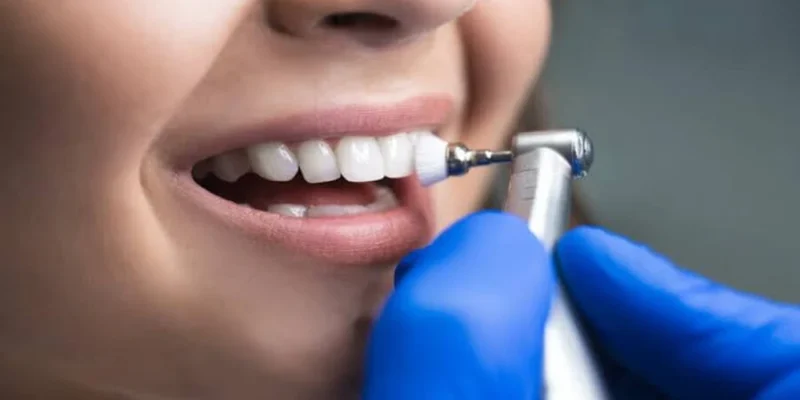
You catch the dark edge in the mirror first. Then you start seeing it in photos, under bathroom lights, during a conversation, every time you smile a little wider than usual. If you have an older crown with a gray or black line near the gumline, it can feel like the dental work that once fixed a problem is now creating a new one. That reaction makes sense. You paid to restore your tooth, not to worry about whether the crown looks obvious. If you’re looking for a dentist in Toledo, OH, you may be wondering what options are available to improve the appearance of an older crown.
Dark lines around older crowns usually come from aging materials, gum recession, metal showing through, or a crown margin that no longer blends with the tooth. The good news is that there are real answers. In many cases, a cosmetic dentist can improve the look by replacing the crown, correcting the gumline, or choosing newer materials that reflect light more naturally. Some people also need treatment for the gums first, because the crown is only part of what you are seeing.
Older Crowns Often Show Their Age at the Gumline
Many older crowns were made with porcelain fused to metal. They were strong, and they still are, but as the years pass, the metal edge can become visible. If your gums have receded even a little, that dark collar may start to peek out. The crown itself might still be functional, but the appearance changes enough that it pulls your eye every time you look at your smile.
That is where the frustration starts. You may wonder if the crown is failing, if the tooth underneath is damaged, or if the dark line means decay. Sometimes it does point to wear, leakage, or a poorly sealed margin. Sometimes it is just the metal substructure becoming visible. You need a close exam to know the difference.
Modern esthetic dentistry has moved far beyond the older one size fits all approach. Newer ceramic materials can create a more lifelike result, especially near the gumline, and cosmetic treatment can restore both appearance and confidence, as shown in this overview of modern esthetic dentistry. If your concern is the look of the crown rather than pain, that still counts. Cosmetic concerns affect how freely you smile, speak, and show up around other people.
Cosmetic Dental Solutions For Dark Lines Around Older Crowns Depend on the Cause
The right fix depends on what is creating the shadow. If the crown is old but healthy, replacing it with an all ceramic crown may be enough. If the gum has receded, replacing the crown alone may leave the same problem exposed. If there is decay at the edge, the tooth needs to be treated before any cosmetic upgrade makes sense.
A dentist will usually check the fit of the crown, the condition of the tooth underneath, the health of the gums, and how your bite lands on that tooth. A crown that looks dark at the margin can also be part of a larger pattern. Maybe several older crowns no longer match your natural teeth. Maybe one front tooth is slightly longer because the gum has pulled back. Maybe the issue started small and now your eye goes straight to it because the contrast is sharper.
If you are comparing options, it helps to understand the role of the crown itself. The University of Colorado School of Dental Medicine explains how dental crowns protect and restore damaged teeth, but protection and appearance are not always the same issue. A crown can still do its job structurally while no longer looking natural.
Gum Recession Can Make a Good Crown Look Wrong
Sometimes the crown is not the whole problem. The gumline changes with age, brushing habits, bite pressure, and periodontal history. When the gum recedes, more of the crown edge shows, and the tooth can look longer than it used to. That can expose a dark margin and make the smile look uneven at the same time.
In those cases, treatment for dark crown margins may include gum grafting or other periodontal care before the final cosmetic work. Tufts recently highlighted how a longer looking tooth can be a sign that it may be time to consider a gum graft. That does not mean every dark line needs gum surgery. It means the gumline matters, and ignoring it can lead to a result that still feels unfinished.
| Situation | Common Cause | Likely Cosmetic Option | What to Watch For |
|---|---|---|---|
| Dark line at edge of an old crown | Metal margin showing through | Replace with all ceramic crown | Underlying decay or poor fit |
| Tooth looks longer and crown edge shows | Gum recession | Gum treatment, then crown update if needed | Sensitivity and exposed root |
| Crown looks gray under certain light | Opaque or aging material | Shade matched cosmetic crown replacement | Mismatch with nearby teeth |
| Dark area with tenderness or bad taste | Leakage or decay under crown | Remove crown, treat tooth, place new restoration | Infection or fracture risk |
Dark Lines Around Dental Crowns Deserve a Clear Plan
1. Get the crown and gumline evaluated together.
Ask for an exam that looks at the crown margin, gum health, bite, and any sign of decay under the crown. A cosmetic dentist should be able to tell you whether the problem is mainly material, fit, recession, or a mix of all three.
2. Ask what changes if you replace only the crown.
This is where people get tripped up. If the gum has receded, a new crown may look better but still not solve the exposed edge. Ask to see what result is realistic with crown replacement alone and what result may need periodontal treatment first.
3. Choose materials for the smile you have now, not the one you had years ago.
Older crowns were often built for strength first. Today, a cosmetic dentist can often use materials that blend better with natural enamel and soft tissue. Shade, translucency, and the way the crown meets the gum all matter more in visible areas.
A Natural Looking Smile Usually Comes From Small, Precise Fixes
If a dark line around an older crown is bothering you, you are not being overly focused or vain. You are noticing a visible change in one of the first things people see. The best solution is not always the biggest one. Sometimes it is one well made crown. Sometimes it is gum treatment first. Sometimes it is a plan that fixes function and appearance at the same time.
You do not have to keep hiding that side of your smile or wondering if the crown is just old or actually failing. A careful cosmetic evaluation can tell you what is happening and what can be improved.



Comments