
 By
By 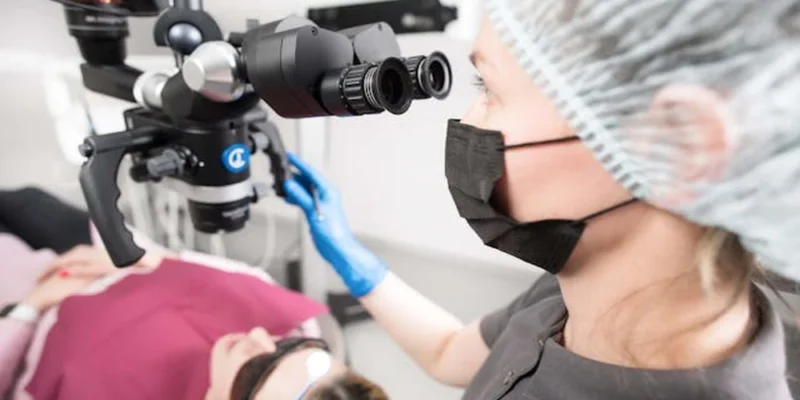
You might be feeling that mix of worry and relief that comes when a tooth starts to hurt enough that you know you cannot ignore it anymore. Maybe you have heard the words root canal and felt your stomach tighten, or maybe you are simply trying to understand whether newer tools really make treatment easier. That concern is real, especially when pain, cost, and fear of the unknown all show up at once, and speaking with an endodontist in Bolingbrook, IL may help you better understand your options.
The good news is that modern technology in endodontic care has changed what treatment can look like for many patients. Today, an endodontist can often diagnose problems earlier, plan treatment with more accuracy, and work in ways that help save more natural tooth structure. If you are wondering whether dental technology in root canal treatment actually matters, the short answer is yes, because better imaging, magnification, and cleaning systems can support safer, more precise care.
Why can root canal treatment feel so stressful in the first place?
When a tooth is inflamed or infected, the problem is not always obvious from the outside. You may feel sharp pain, pressure when you bite, swelling, or a dull ache that comes and goes. In some cases, the discomfort is hard to explain, which can make the whole situation more upsetting. If you do not know exactly what is wrong, it is easy to imagine the worst.
Because of that tension, you might wonder whether treatment is still based on guesswork. Years ago, some limits in visibility and imaging made diagnosis more difficult. Tiny canals, hidden cracks, or infection patterns could be hard to see with standard methods alone. That uncertainty could affect treatment planning and, in some cases, the long term result.
That is where advanced endodontic technology starts to matter. Tools such as cone beam CT scans, operating microscopes, and newer irrigation systems help your endodontist see details that were once easy to miss. Research on imaging and treatment methods continues to support the value of these improvements, including findings discussed in this PubMed review on modern endodontic technology.
How does modern imaging help an endodontist make better decisions?
A standard dental X ray still has an important place, but it gives a flat image of a three dimensional structure. Teeth are more complex than they look. Roots can curve. Canals can branch. Infection can spread into areas that are not easy to detect on a two dimensional image.
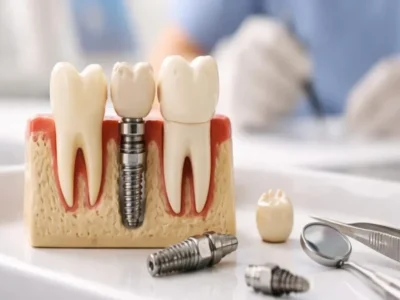
Three dimensional imaging, often called CBCT, gives your endodontist a clearer view of the tooth, root structure, and surrounding bone. That can help answer questions like, is there an extra canal, is there a crack, or is a prior treatment failing in a specific spot? A detailed review of CBCT use and its role in diagnosis is available in this open access article on endodontic imaging and planning.
So, where does that leave you as a patient? It means your treatment plan can be based on more complete information. Instead of treating only what is visible on the surface, your endodontist can often identify the source of the problem with greater confidence.
What other technology is changing endodontic care beyond imaging?
Imaging is only one part of the story. During treatment, magnification and lighting from an operating microscope can help your endodontist find small canals, remove damaged material, and work more precisely inside the tooth. This matters because the root canal system is narrow and often irregular. Small missed spaces can affect healing.
Newer nickel titanium instruments are also designed to move through canals with more flexibility, which can help preserve the natural shape of the root. Improved irrigation methods aim to disinfect areas that files alone cannot fully reach. Some systems use sound or fluid activation to move cleaning solutions more effectively through the canal space.
If you are trying to understand whether these changes are just technical details, the answer is no. They affect what you care about most, including comfort, precision, and the chance of keeping your natural tooth. This research article on current endodontic methods and outcomes helps explain how these tools support treatment quality.
What practical differences can modern endodontic tools make for you?
It helps to see the comparison clearly, especially when you are balancing fear, time, and cost. While every case is different, newer tools often improve diagnosis and efficiency in ways that can reduce surprises.
| Aspect of Care | Traditional Approach | Technology Supported Approach | Why It Matters to You |
|---|---|---|---|
| Diagnosis | Relies mainly on symptoms and 2D X rays | Uses 3D imaging when needed | Can reveal hidden canals, fractures, or areas of infection |
| Visibility | Limited view inside the tooth | Microscope enhanced magnification and light | Helps the endodontist work with greater accuracy |
| Canal Shaping | Less flexible instruments | Modern nickel titanium files | May preserve more natural tooth structure |
| Cleaning | Basic irrigation delivery | Activated irrigation and improved fluid movement | Aims to clean hard to reach areas more effectively |
| Treatment Planning | More uncertainty in complex cases | More detailed planning before treatment begins | Can reduce missed findings and improve confidence |
What can you do right now if you think you may need endodontic care?
1. Pay attention to patterns, not just pain. If you notice lingering sensitivity, pain when biting, swelling, or a pimple on the gums, write it down. These details help an endodontist connect symptoms with the likely source.
2. Ask what technology is being used and why. You do not need to ask technical questions to advocate for yourself. A simple question like, would 3D imaging or microscope assisted treatment help in my case, can open a useful conversation about options and value.
3. Do not wait too long to get an evaluation. Dental pulp treatment tends to be simpler when the problem is addressed early. Waiting can mean more infection, more pain, and fewer options for saving the tooth.
How should you think about the next step?
If you are feeling uneasy, that makes sense. Tooth pain can make everyday life feel smaller, and uncertainty can be just as draining as the discomfort itself. Still, treatment has come a long way. Root canal technology now gives many patients a path that is more precise and more predictable than they expect.
The next best step is simple. Schedule an evaluation with an endodontist, ask how modern tools may apply to your case, and get clear answers before the problem grows. You do not have to sort through this alone, and you do not have to make the decision from a place of fear.







Comments