
 By
By 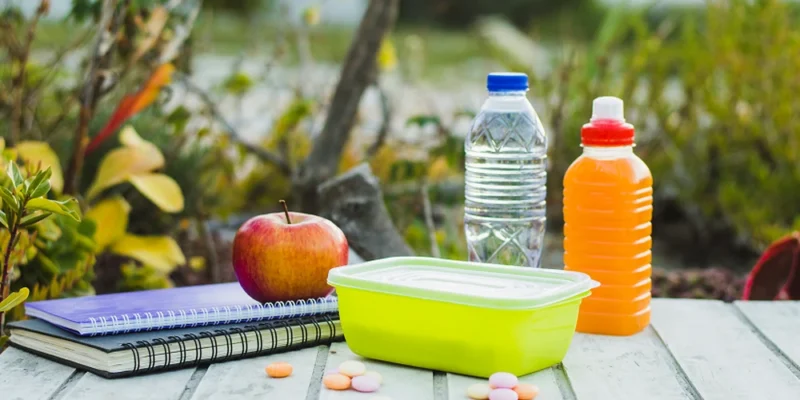
Important Details
- Carry a portable dental kit to maintain hygiene during school hours.
- Hydration is key to managing dry mouth and keeping the oral environment clean.
- Learn the art of “soft eating” to avoid damaging brackets during school meals.
- Use orthodontic wax proactively to prevent irritation during long study sessions.
Introduction
Wearing braces can affect several parts of a student’s daily routine, from eating during recess to keeping teeth clean between lessons. Students who choose metal braces in Singapore need to adjust a few everyday habits to protect their brackets, maintain oral hygiene, and manage occasional discomfort.
School schedules can make these changes harder at first, especially when students have limited time between classes, CCAs, and other activities. Establishing a practical routine early can make braces easier to manage and help reduce avoidable problems throughout treatment.
1. How Should Students Clean Their Braces at School?
Food can easily become trapped around brackets and wires after meals. If students leave these particles in place for several hours, plaque may accumulate around the teeth and contribute to bad breath or tooth decay.
Students wearing braces for students can keep a small dental care kit in their school bag. Useful items include:
- A travel-sized toothbrush
- Fluoride toothpaste
- An interdental brush
- Dental floss suitable for braces
- A small mirror
A quick brush after recess or lunch can remove food before the next lesson. Students who cannot brush immediately should rinse thoroughly with water and clean their teeth properly when they have more time.
The routine does not need to take long. Consistency matters more than carrying a large collection of dental products throughout the school day.
2. What Drinks Should Students Avoid With Metal Braces?
Sugary drinks can become a regular part of school life, particularly during long afternoons or social outings. However, frequent exposure to sugar may increase the risk of tooth decay because liquid can reach areas around brackets that students may find difficult to clean.
Water generally offers the simplest everyday option for students with metal braces in Singapore. Carrying a reusable water bottle also makes it easier to rinse the mouth after meals or snacks.
| Drink | Suitability During Braces Treatment |
| Plain water | Suitable for regular hydration |
| Unsweetened drinks | Generally suitable in moderation |
| Soft drinks | Best limited because of sugar and acidity |
| Bubble tea | Best treated as an occasional drink |
| Sports or energy drinks | Limit frequent consumption |
Students do not necessarily need to eliminate every sweet drink, but they should avoid sipping sugary beverages repeatedly throughout the day. Drinking them occasionally with a meal and cleaning the teeth afterwards can make oral hygiene easier to manage.
3. What Foods Are Easier to Eat With Braces at School?
Students do not need to rely entirely on soft foods throughout orthodontic treatment. However, they should change how they eat foods that may place excessive pressure on brackets and wires.
School canteen options such as rice, noodles, soup, eggs, tofu, and softer cooked vegetables are usually easier to manage. Harder fruits such as apples can still be eaten if students cut them into smaller pieces rather than biting directly into them.
Hard and sticky foods require more caution. Crunching ice, biting hard sweets, or chewing very sticky snacks can loosen brackets or bend wires. Students should also avoid using their front teeth to bite directly into particularly firm foods.
The goal is not to follow a restrictive diet. Instead, students should choose foods and eating methods that reduce unnecessary pressure on their braces.
4. How Can Students Manage Braces Discomfort During School?
Mild irritation can occur when brackets or wires rub against the cheeks and lips, particularly during the first few weeks of treatment or after orthodontic adjustments.
Orthodontic wax provides a simple way to manage these areas during the school day. Students can place a small piece over the bracket or wire causing irritation to create a smoother surface.
Keeping wax in a school bag or pencil case can be particularly useful before presentations, examinations, CCAs, or long school days. Students should also learn the difference between normal short-term discomfort and a problem that requires professional attention.
A loose bracket, damaged wire, or persistent sharp edge should not simply be covered with wax indefinitely. Students or parents should contact the orthodontic clinic for advice if an appliance becomes damaged.
Frequently Asked Questions
How Often Should Students Brush Their Teeth With Braces?
Students should brush thoroughly at least twice a day and preferably after meals when practical. Cleaning around brackets carefully helps remove food and plaque from areas that an ordinary brushing routine may miss.
Can Students Still Join Sports and CCAs With Braces?
Yes. Students can generally continue participating in school activities. Those involved in contact sports should ask their orthodontist whether they need a suitable mouthguard to protect their teeth and braces.
What Should Students Carry to School After Getting Braces?
A small toothbrush, toothpaste, interdental brush, and orthodontic wax can cover most everyday needs. Students do not need to carry a large dental kit unless their orthodontist recommends additional products.
Is It Normal for Braces to Hurt After an Adjustment?
Mild pressure or tenderness can occur after adjustments because the teeth are responding to orthodontic forces. This usually settles as the mouth adapts. Students should seek professional advice if pain becomes severe, persists unusually long, or accompanies damaged hardware.
What Should a Student Do if a Bracket Breaks at School?
Avoid pulling or adjusting the damaged component. Orthodontic wax can temporarily cover a sharp area, but the student or parent should contact the clinic to find out whether a repair appointment is necessary.
Contact Align Braces Clinic for guidance on braces for students and practical advice on managing metal braces in Singapore throughout the school year.



Comments